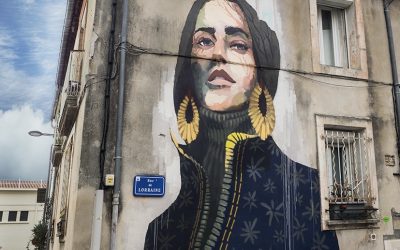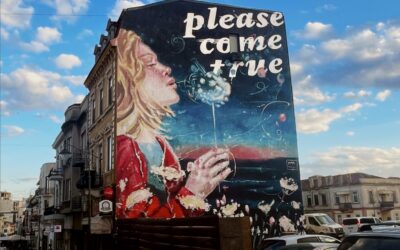

ANX does not view graffiti merely as a technique or subculture, but as a way of thinking that accompanies him throughout his life. Behind his choice of name, we can see the emergence of a darker, atmospheric visual world and a continuous transformation that shapes not only his style but also his relationship with communities and the city. His works capture moments—from an internal process in which graffiti is simultaneously presence, memory, and visual imprint.
How long have you been painting?
I started painting in September 2009, when I was in high school. That was when I first got into graffiti, which has been a part of my life ever since. The intensity has changed, but it has never really stopped.
Where did the stage name come from?
Choosing a name was a conscious search process. I experimented with letter combinations until finally, the letters "A," "N," and "X" started to work together for me. That's how ANUX was born, which I later shortened to ANX.
When I first searched for the name, the figure of Nyx from Greek mythology appeared—the goddess of darkness who covers the world with her wings of night. This image is very close to the mood and thinking that characterizes my work.

How did your style develop and how would you describe it?
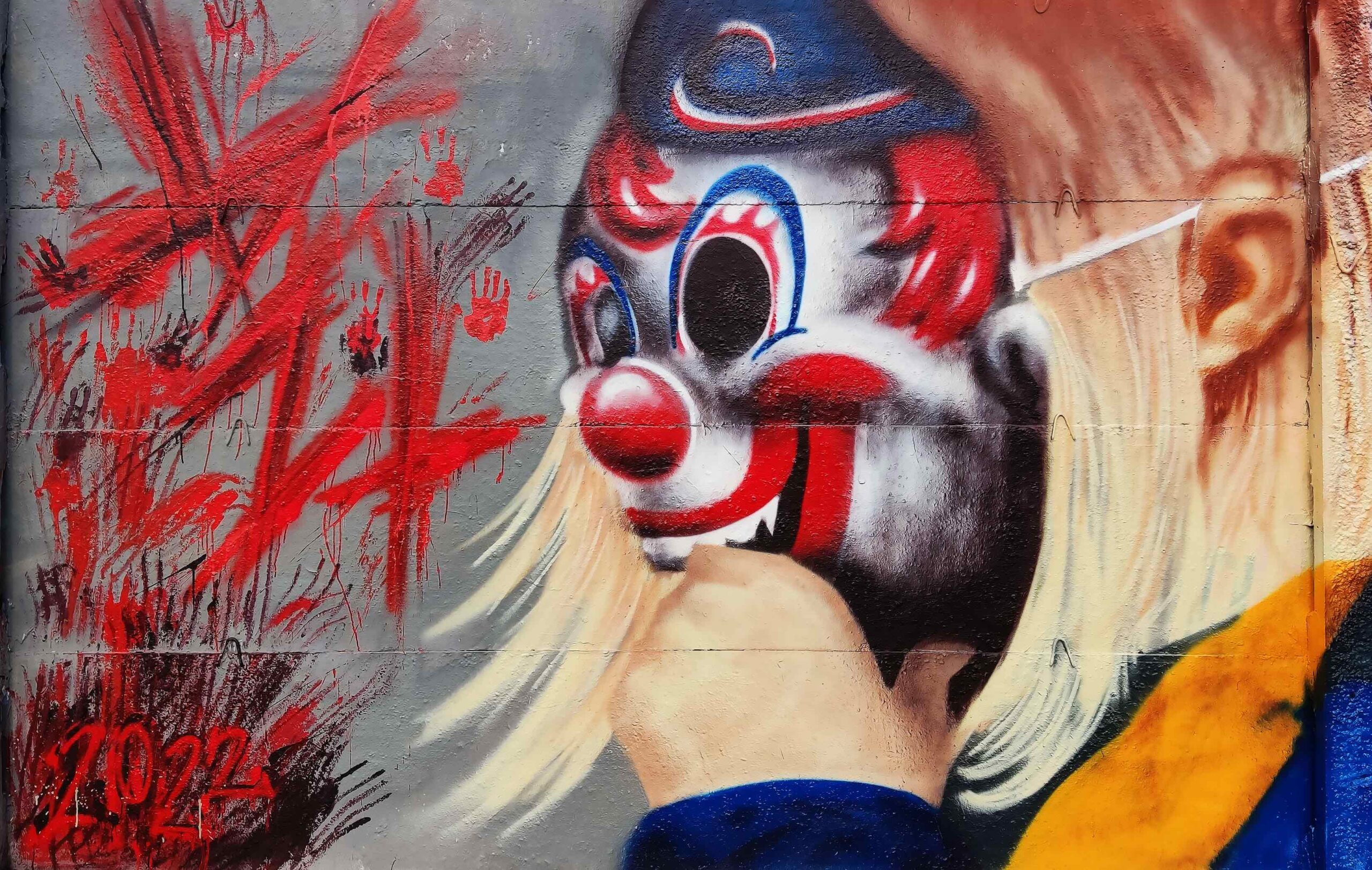
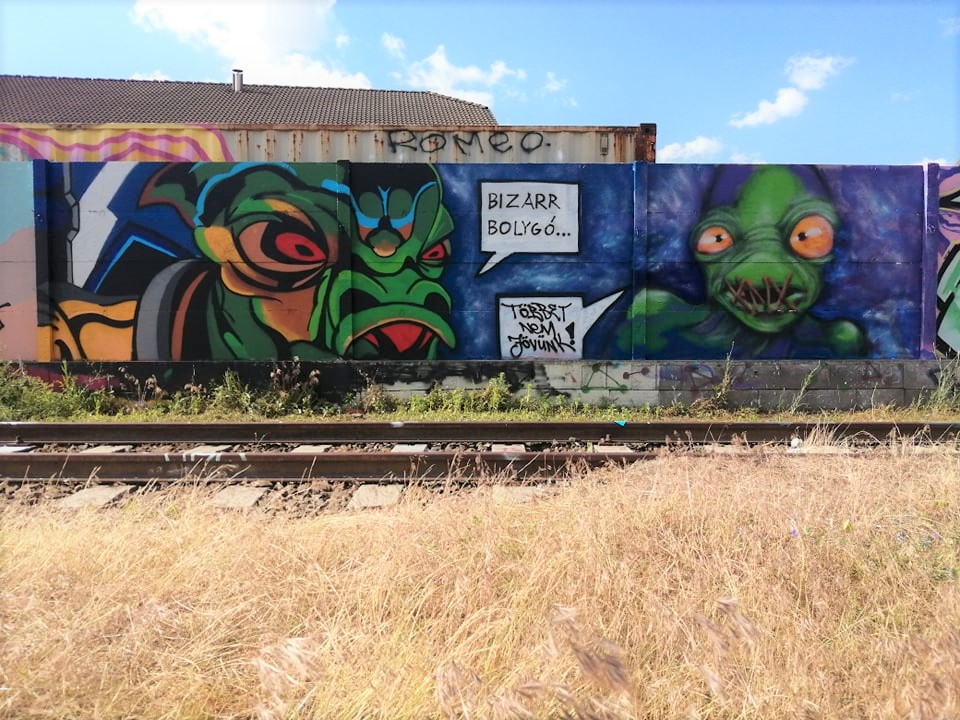
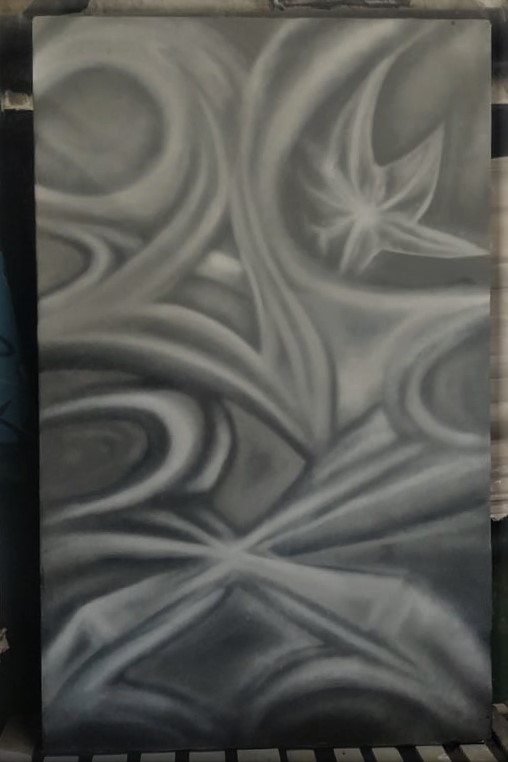
My style has always been changing, but it has remained personal throughout. I started out in the world of graffiti, but over time it has evolved into a broader visual language where I am not interested in a single technique or direction. I am strongly attracted to the darker, atmospheric world, to narrative visual thinking. My works do not tell complete stories, but rather capture moments from an internal process.

What inspires you to create?
Almost anything can inspire me: an everyday situation, a dream, a memory, a shape, or a feeling. For me, inspiration is not a specific event, but rather a continuous flow. The question is rather what you pay attention to and when you catch that certain flow.
Is there a graffiti group you are a member of?
Today, I am no longer an active member of a graffiti crew in the traditional sense. The scene has changed a lot, and I feel that it is not the same generational dynamic as it used to be. Sometimes it is interesting to listen to older people's stories about the old crew life, but I now understand that every era creates its own community experiences in different ways.
An old saying comes to mind: "Something must die in order to be reborn." I didn't understand it then, but I do now.
Do you see graffiti as a hobby or a livelihood?
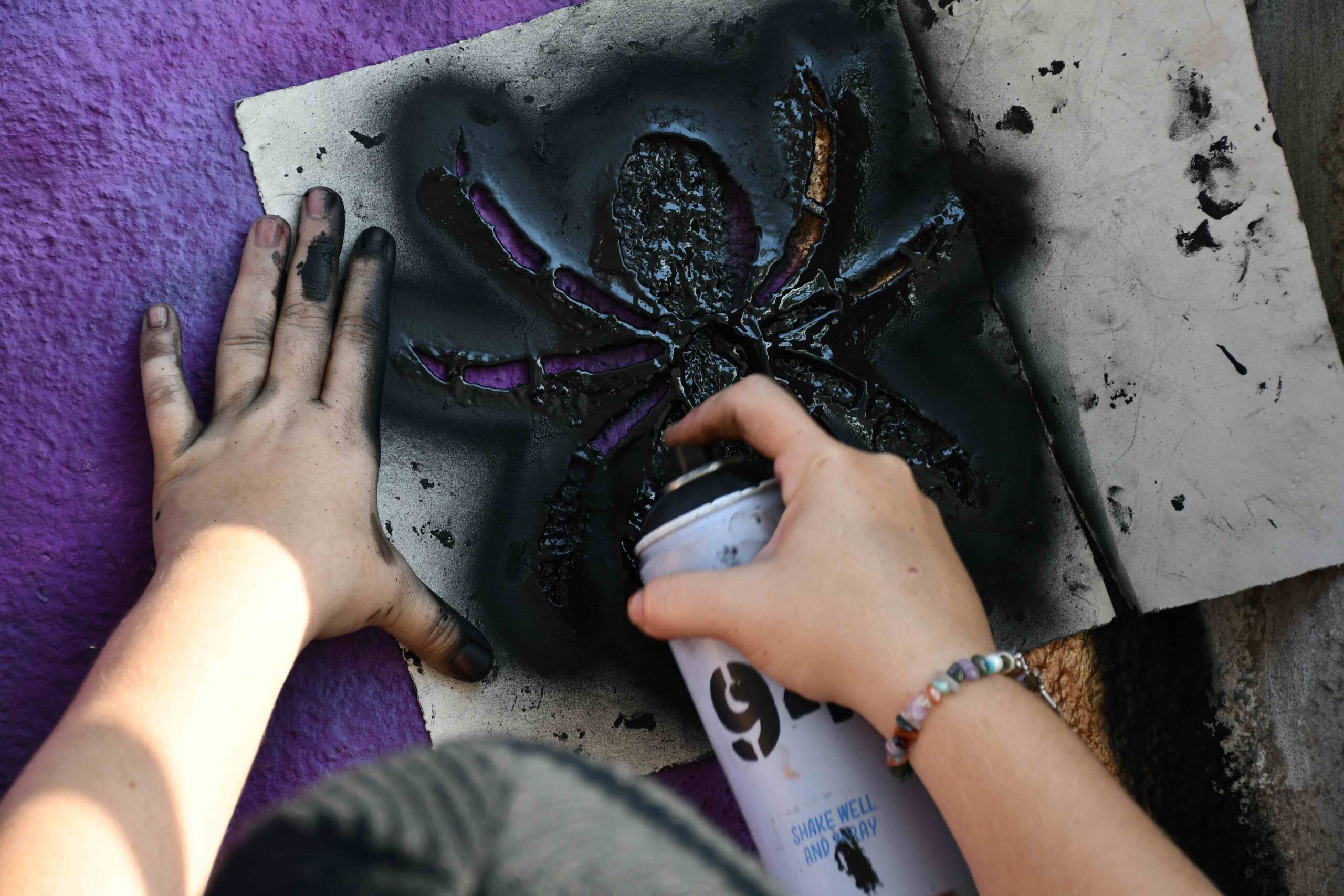
For me, graffiti cannot be separated so easily. It is not a classic hobby, but neither is it merely a way of making a living. It is more of a way of thinking that stays with me even when I am not working on walls.
What do you think about graffiti?
For me, graffiti is a visual imprint. It is the intersection of a given period, inner state, and environment. It exists not only on the wall, but also in the way we relate to the city, to freedom, and to each other.


How do you see the current situation of subculture in Hungary?
Today, it is much more open and accessible, less taboo. At the same time, it has changed: the pace is different, the emphases are different. This is not necessarily good or bad—it is simply a new era.
Your most memorable blow?
I wouldn't single out any one specific wall. Rather, I would highlight those situations when space, time, and inner state came together simultaneously. When it wasn't just painting, but real presence.
What has this subculture given you over the years?
Perseverance, self-awareness, and a visual language of my own. It taught me to pay attention, adapt, and respect the work of others—even when I disagree with it.
What would you say to those who are just getting to know the genre?
Draw a lot before you start tagging walls. Start on legal surfaces. If you cover something, do it respectfully. Pay attention, learn, and look around abroad too—don't just try to interpret culture locally.
Who would you thank for making you stick to your art?
Firstly, to my former classmate who set me on this path.
To the old team: PIGS!
To my sister WICCA.
Last but not least, to my beloved.
Special respect to GRINO, who is one of the most motivating people I know.
Thanks to Dr. József Ferenc Hajdú, TEPS, my friend Sári, SYRE, CIME, BOSC, BUD, IDAR, PABLO, the Budafoki B-boying Crew, and the SMC team.
Thank you again:
To Texas (no longer Barcika): KARSKÓ,
To Mexico: ANG and the FAM crew Tripulaczion!;
To Italy: TRACKLE_ZERO and GIORGIO_JE37;
To Scotland: SPENHY.
And to everyone who was part of this, or still is today.
ANX