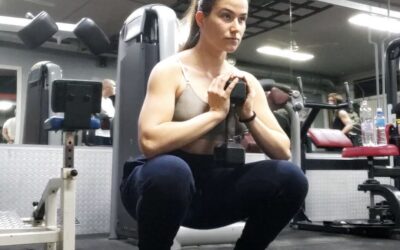


The story of Janka Zsoldos is both inspiring and deeply human: a young woman who started out in the world of law and found her way back to herself, her inner voice, and the path on which she can truly flourish through yoga. For her, yoga is not just a form of exercise, but a way of life, a connection to body and soul, healing, community, and self-creation. Today, Janka is present in the lives of others not only as a practitioner but also as a teacher, accompanying those who come to her with sensitivity, sincerity, and authenticity on the path that leads to themselves.
How long have you been practicing yoga, and what experience led you to decide that you wanted to teach yoga classes as well as practice it yourself?
I attended my first yoga class five years ago, and even then I was captivated by the experience of conscious presence and felt that a new door was opening for me. A little later, yoga helped me through a difficult period, and regular practice brought about significant changes in my life, which I wanted to share with others and introduce them to. That was when I first realized that I wanted to complete teacher training.
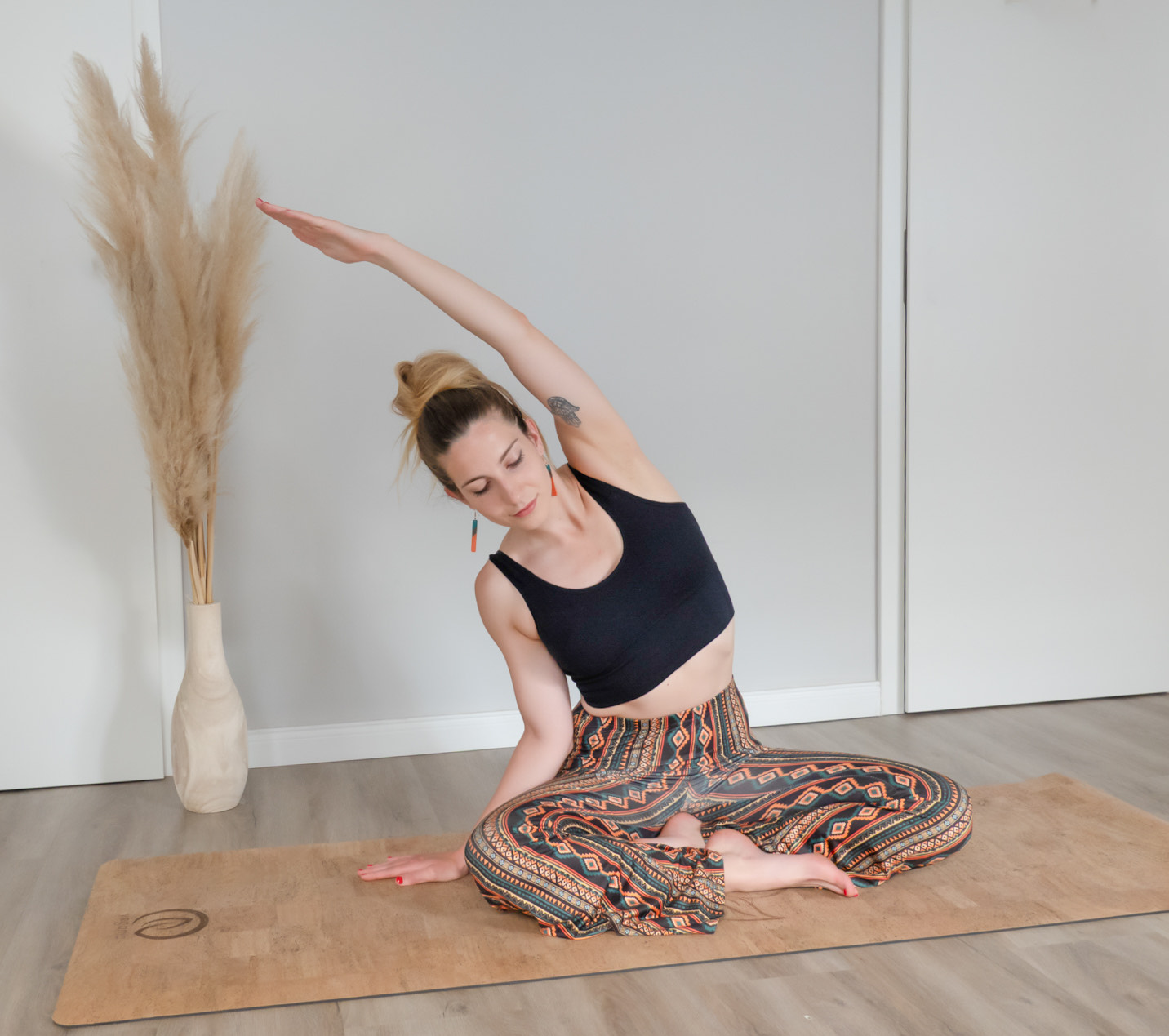
I have a law degree, and although I found beauty and excitement in learning about law during my university years, when I entered the working world in this field, I felt lost. I became increasingly convinced that I couldn't flourish and that I wasn't on the right path. Since then, I have enriched myself with various yoga training courses and knowledge, and I currently live my daily life as a "full-time" yoga teacher. 😊
How has your relationship with your own body and soul changed through regular yoga practice?
I have never been in such harmony with my body as I am now. Like most teenage girls, I had a lot of problems accepting my body. I constantly compared myself to others and always found something that was "not good enough" about myself.
Yoga has taught me to connect with my body, to listen to and notice its signals, to accept and respect its limits. I would no longer separate physical and mental changes, because they are completely intertwined. I feel more calm, self-love, compassion, and gratitude towards myself.
Your body is your only ally and home, accompanying you throughout your eternal life and working for you every day. It is wonderful to realize how honestly your physical self communicates in different situations. Often, the body "speaks" when the soul is not yet ready to tell the truth. Once you have managed to connect with your body and lovingly accept its signals, you can live in such deep unity with yourself, which is a very beautiful and transformative state.
What does "yoga" mean to you in a complex sense—just exercise, relaxation, a spiritual path, or some kind of self-awareness/self-improvement practice?
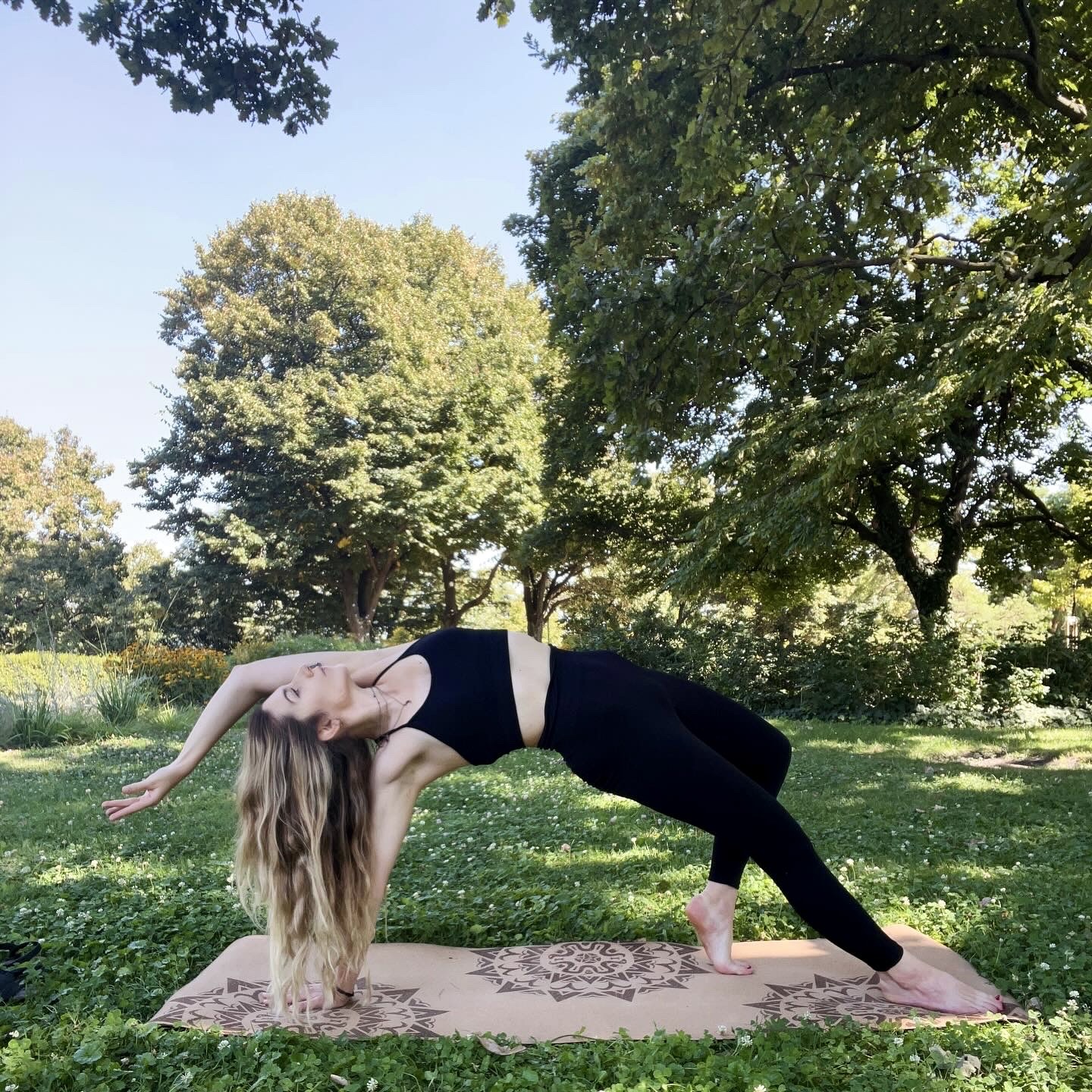
For me, yoga is everything you mentioned in your question and much more. It is movement that keeps my body healthy, strong, flexible, and stable, and helps it develop. Relaxation that helps me calm down, listen inwardly, and let go. A spiritual path that helps me connect with myself and the world, answers my questions, and raises even more questions. A path of self-knowledge and self-development that helps me with self-evaluation, acceptance, self-creation, and more conscious management of my emotions.
Beyond the internal processes, I would like to emphasize that for me, yoga in group classes, camps, and workshops is a wonderful community experience. We breathe together, move together, and create together. Such powerful energies can be released and created each time, which is very rejuvenating for me and, more importantly, not only for me, but I can feel that the practitioners also take some of it home with them. After my classes, we often stay for tea and conversation, and this informal get-together, where we can share our everyday experiences with each other, deepens the community bond. Humans are social beings, everyone needs genuine human connections, and I find it wonderful that we can experience this during and after a yoga class.
What style of yoga classes do you teach—and why did you choose those particular styles?
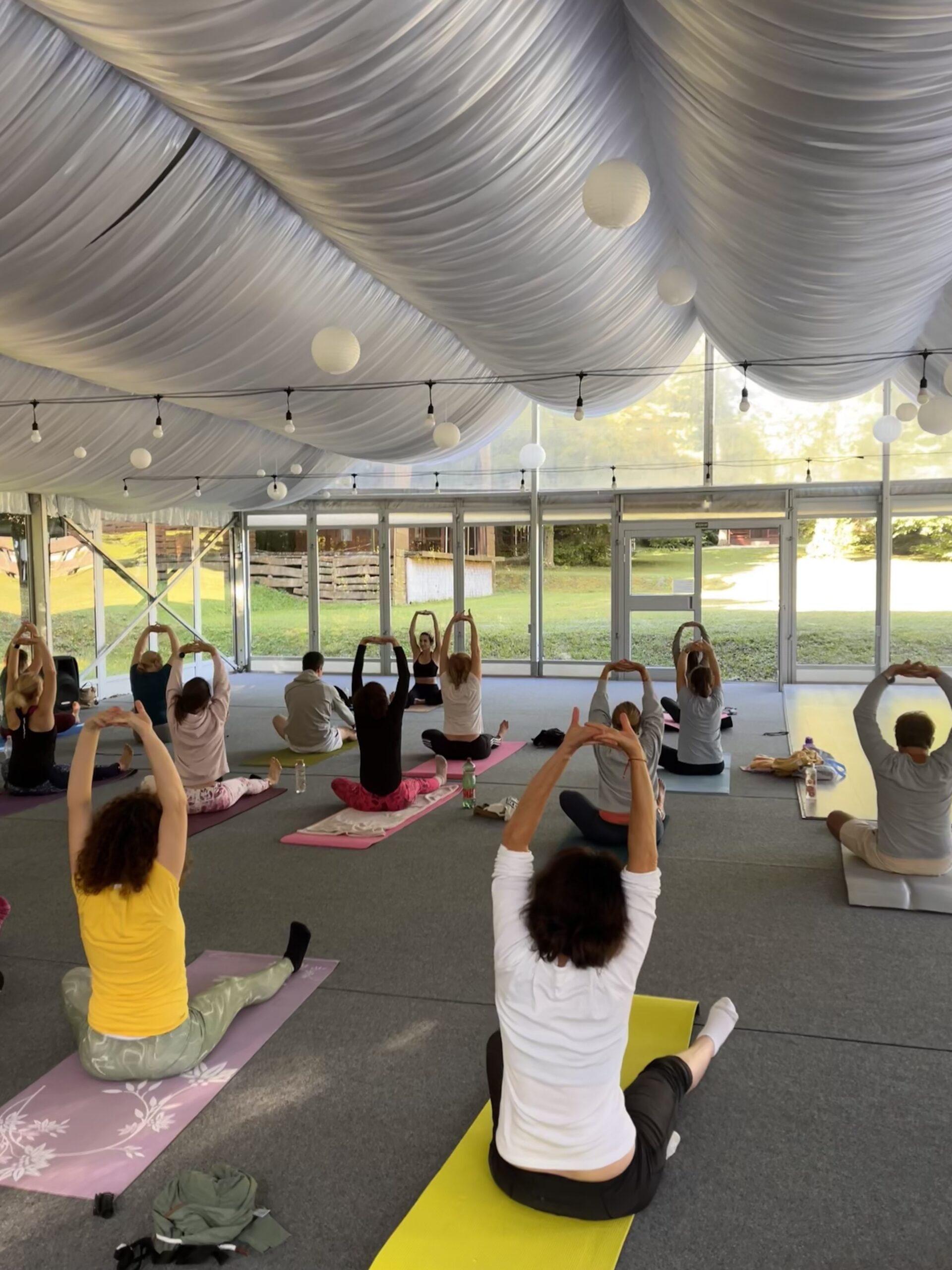
I started my teaching career with dynamic hatha flow and power flow classes, which are dynamic types of classes. In the beginning, physical exhaustion was the key to inner silence for me; pushing my body to its limits and intense movement opened the door to focus and quieting my mind. As my practice deepened and I became more and more imbued with the essence of yoga, I began to "yin" and find release in slow, deep practice, stretching, and long meditations. This is also reflected in my schedule, with more space given to slower, stress-relieving, relaxing classes, but dynamic exercises are still present. I think this balance is perfect for me right now. 😊
In the spring, I completed an intimate yoga teacher training course, which is very close to my heart. It offers alternative help for female intimate problems through various forms of movement, intimate exercises, breathing exercises, and guided meditations. It can be a support in cases of PCOS, endometriosis, menstrual pain, sexual problems, as well as before and after childbirth. I only offer these classes as private, personalized lessons.
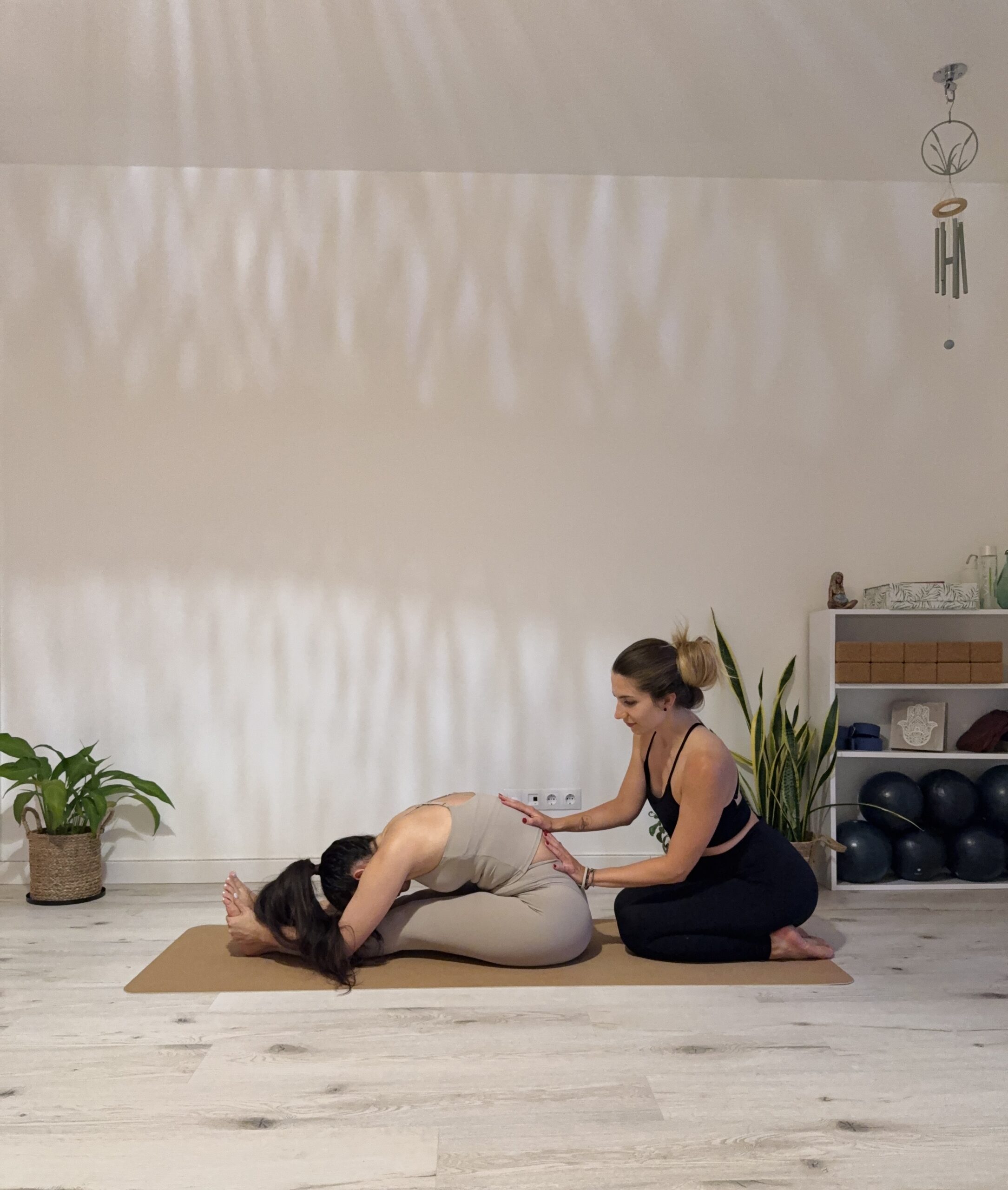
Another special type of class I offer is YOGILATES, where I combine elements of Pilates with yoga. Since incorporating this practice into my daily routine, my body has become much stronger, which is also visible to the naked eye.
I also completed aerial yoga teacher training, which is a more acrobatic, modern form of yoga. I don't teach it at the moment, but as a practitioner I sometimes attend a class. This type of practice is really liberating because it allows my childlike, playful self to come out thanks to all the hanging and swinging.
Can you tell us about a lesson (or student feedback) that was particularly memorable for you—where you felt that "something had changed" or that real progress had been made?
I feel lucky to be able to answer that there have been many such moments. I am always grateful and it warms my heart when a practitioner shares with me the changes that regular yoga practice has brought about in them, or when they tell me after class what it has brought out in them and why they enjoyed it. Many simply share that "I arrived with a sore back, but by the end of the class it was completely gone," and I go home with a smile on my face.
I have received many nice messages and even gifts, which is very surprising and touching for me. However, I always tell them that they should not thank me for these changes, but yoga and themselves for coming and doing something for themselves. 😊
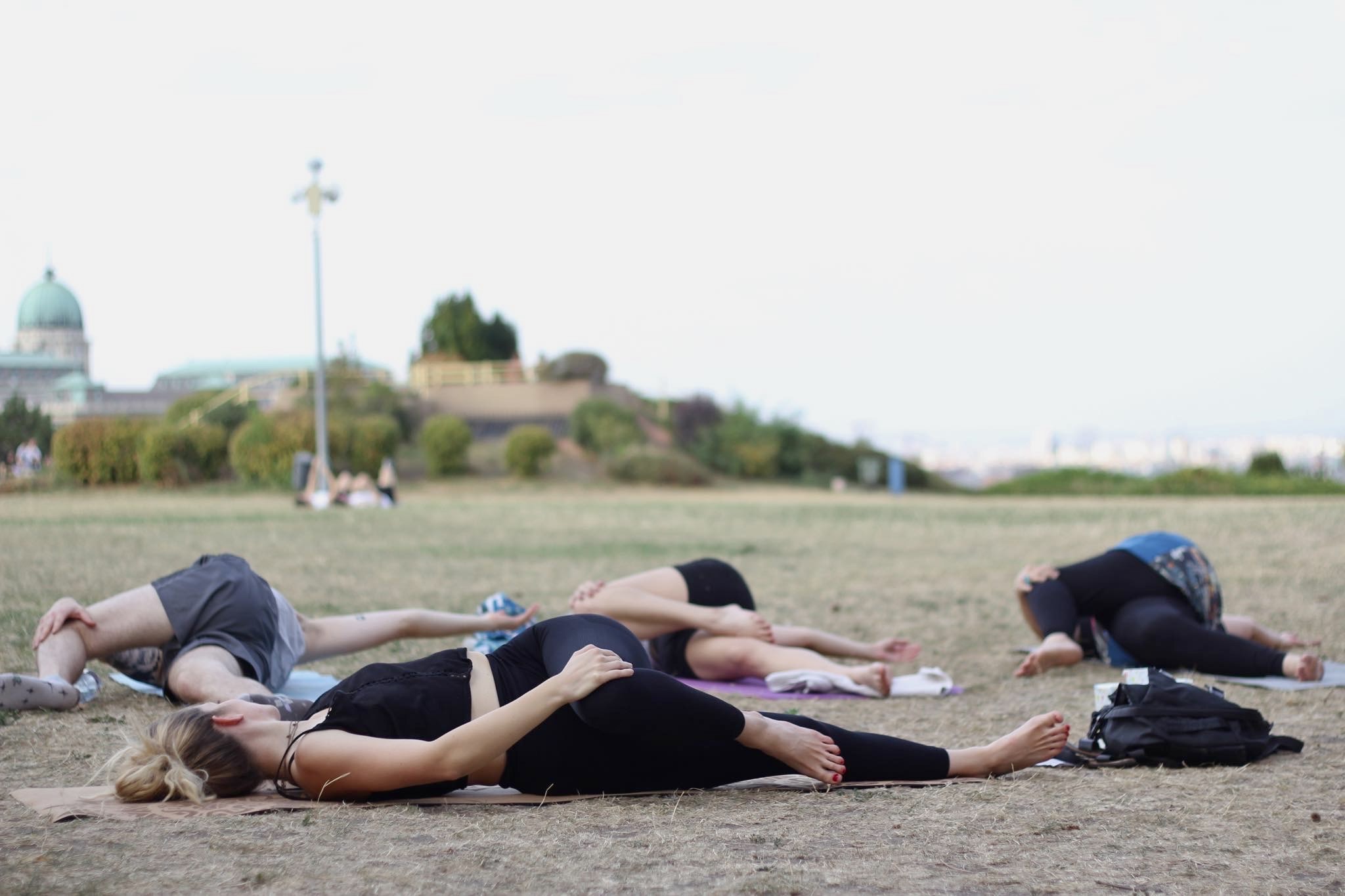
Why do you think it is important today—in our fast-paced, stressful everyday lives—for people to discover and experience the process of self-creation? What can your yoga class offer them in this regard?
Our lives are full of external pressures: performance anxiety, overload, social expectations, etc., and today's constant digital presence amplifies these. We don't allow ourselves time to switch off, exposing our nervous system to constant stimuli. Yoga creates a conscious break, you put your phone away and focus only on the present, on yourself, your body, your inner world. This is where self-creation comes into the picture. This conscious presence and inward focus gives you space to get to know yourself better, to connect with your body and your feelings, to give voice to what is suppressed by the noise of our fast-paced world.
As my own example shows, through regular yoga practice, the expectations I had placed on myself due to social pressure began to peel away, and I heard the voice, the calling, that had always been inside me but had no space to unfold. I believe that true freedom is when external noises do not drown out your inner compass and you listen to it, set out on your own path, and accept yourself as you are.
You ask what kind of help my classes offer in this regard, and I could answer that, but I'd rather leave something else here instead. No matter which path you choose, just keep going! You may not like my classes or those of other instructors, but that doesn't mean yoga isn't for you! There are many types of yoga classes and even more diverse teachers. No two classes are the same because no two teachers are the same. Yoga is not a competition, you are not "good" at it if you can do the most extreme poses, and you don't have to be flexible either.
Try out different types of yoga, visit different instructors, and find the one where you feel comfortable. That's the most important thing. 😊
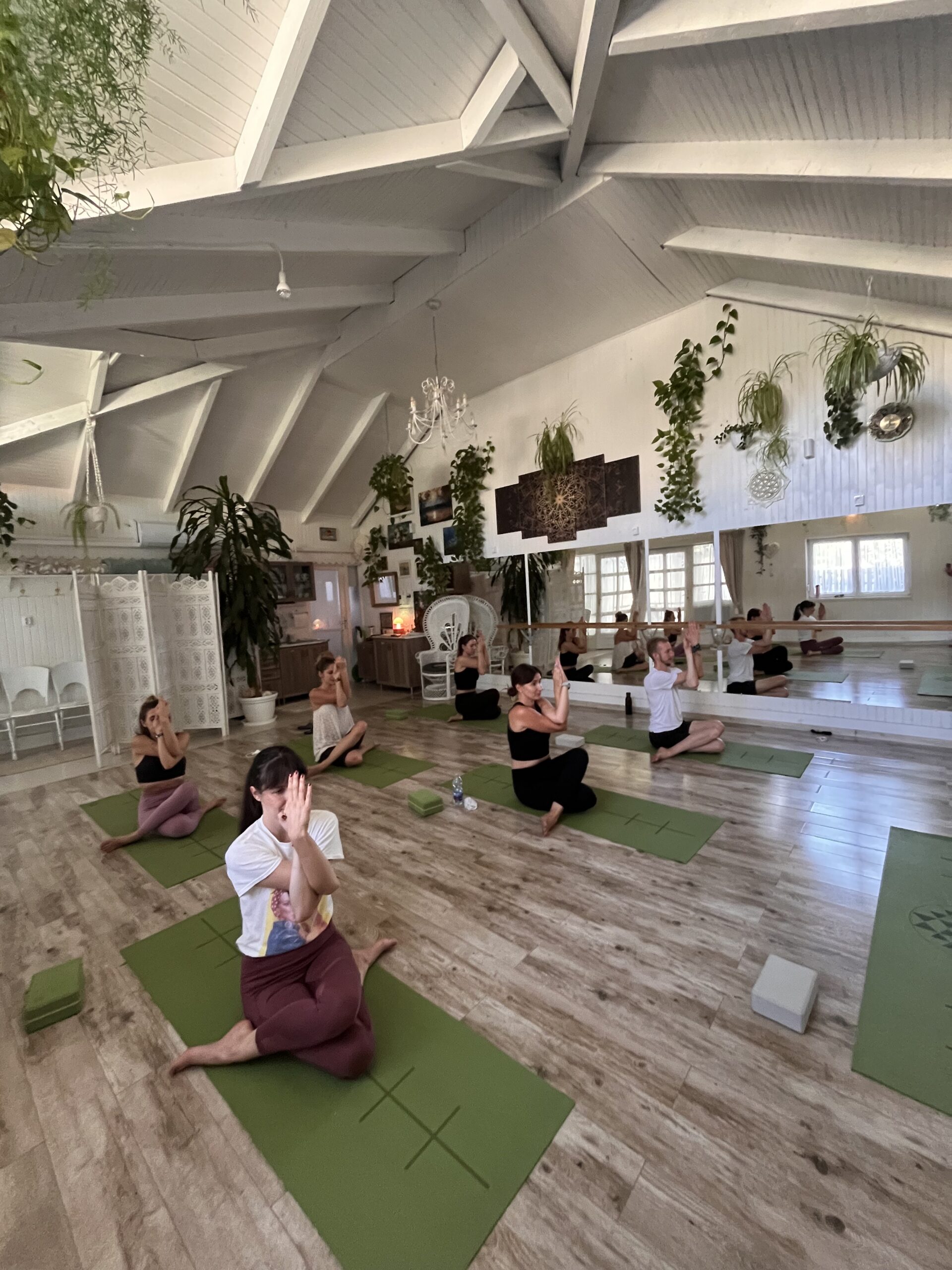
Do you feel that yoga shapes people, or rather reveals what has always been there?
Both, because these two things are not mutually exclusive, in fact... Perhaps I would emphasize the order here. During practice, the body and mind work together to remove stuck patterns, social masks, and repressions, allowing your authentic self, your inner voice, and your natural resources to emerge. This does not create a "new" you, but rather erases the scribbles of external expectations and helps you see and hear yourself. At the same time, yoga trains awareness, flexibility, focus, acceptance, perseverance, and gives you new tools to better live your discovered self. It does not change the essence, but it helps you to live and unfold your inner potential.
What does "home" mean to you—and how has yoga helped you find it? How would you define this space?
For me, feeling at home is an inner space where I don't have to play a role or prove myself, where I can simply be who I am, a place of deep calm and security where I feel that I am "enough," that I am good just as I am. This does not mean perfection, but rather that I am okay with myself even when I am uncertain, tired, or sad. I allow myself to have these feelings, accept them, and welcome them with love.
This inner state is an encounter with my own essence, where I am not defined by my past, my stories, my roles, or my labels, but by the stable core that lies behind all of these. Here, I feel that no matter what happens outside, I am safe because there is a point inside me that I can connect back to.
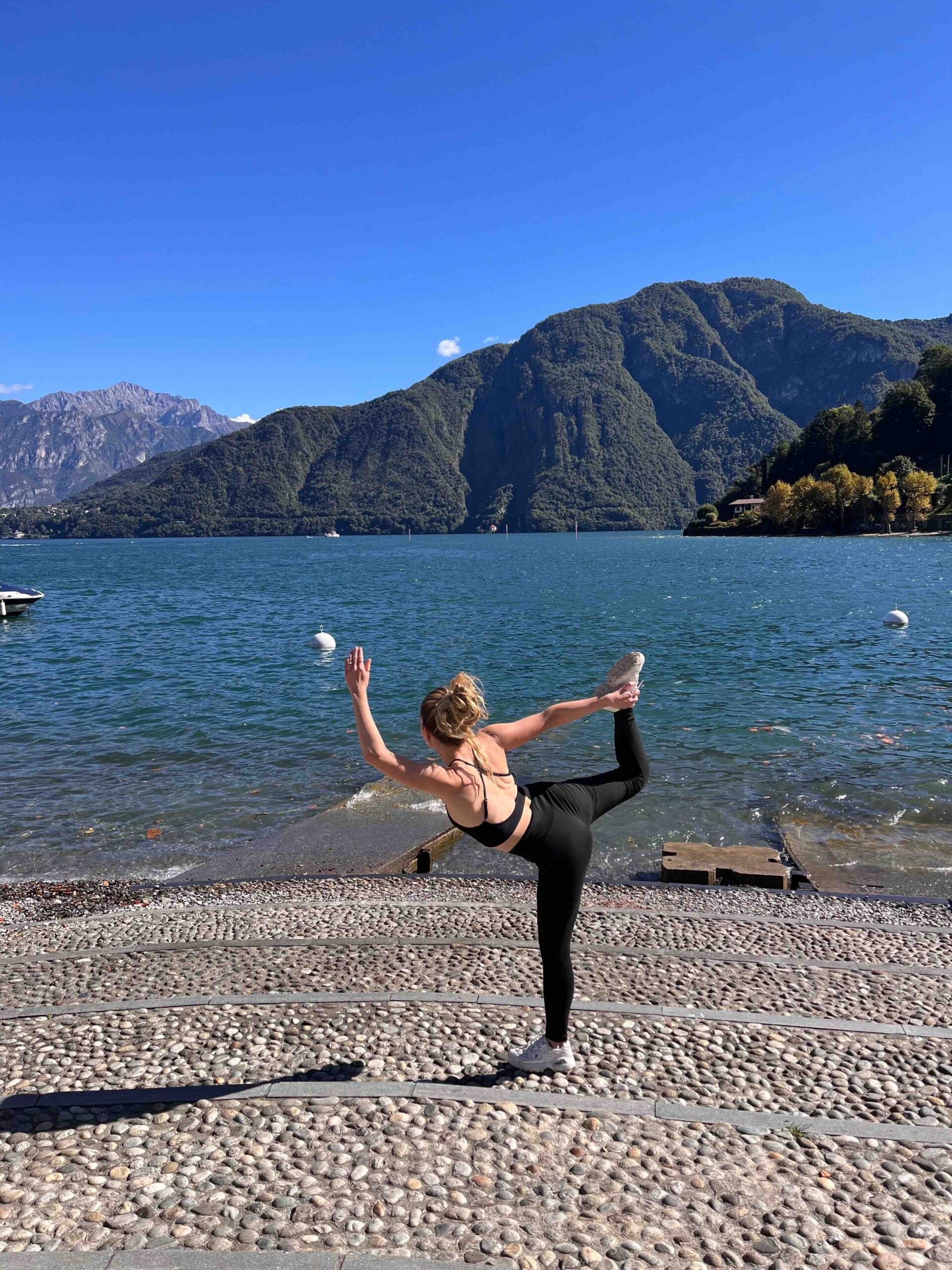
What does it mean to you to "hear" the voice of your body and soul, and how do you distinguish them from the noise of everyday life? Do you have your own internal technique or ritual for this?
This is one of my favorite topics, so I have to be very careful not to turn my answer into a novella. 😊 I have already linked the body with the soul, and I do not wish to discuss them separately now. I believe that the vast majority of illnesses are psychosomatic. Before an illness develops fully, our body signals in various ways that our soul needs help. However, I do not wish to discuss this now.
To give an everyday example, you have probably experienced a situation where you have not yet consciously realized that a situation or relationship is not good for you, but your body has already signaled this with stomach cramps, a tight throat, tense shoulders, or other physical discomfort. The body processes disharmonious stimuli faster through neurophysiological pathways than the mind can process them rationally. In such cases, the body not only warns us, but also gives us the opportunity for early self-correction. If we observe these signs and listen to them, we will put ourselves in far fewer situations that harm us and do not serve us.
Even if there is no specific situation or strong feeling, it is still worth observing our body regularly. We may notice small things that we would not otherwise notice, but which may have an important message. That is why I start almost every yoga class by saying, "Observe your body from your toes to the top of your head, notice how your body feels as you arrive on your mat today!"
Recently, I have become more receptive to my dreams; I write them down and analyze them. With frightening accuracy, my body and soul reveal my inner struggles and unresolved issues during my dreams. They often show me whether a situation is advantageous or disadvantageous for me when I am unable to decide while awake, and they often predict what decision I will make in a given situation and why.
How has yoga changed your relationship with time? Do you live more slowly? More consciously? Or perhaps you are more deeply present?
I feel much more deeply present. I experience the joy of the moment, I find beauty even in difficult situations, and this is no longer conscious, it just happens inside me.
I live much more consciously than before yoga, that's for sure, but I don't live a "perfect" yogic life (if there is such a thing) at all. I often get lost in scrolling through my phone, there are days when I don't get on my mat and skip my breathing exercises, and there are times when I choose fast food in a hurry. The important thing here is that I don't beat myself up over these things; they are human.
I really love being busy, I love being around people, implementing new ideas, discovering new places and communities, getting to know them, and I don't think there's anything wrong with that, but that's why slowing down and having time for myself is important to me, so that I can stay balanced.
Can we learn to love ourselves—or just remember to do so? How do you approach this question in your own practice and in teaching others?
I experienced this process and felt that I had "learned" to love myself, but then I realized that this ability had always been within me, within everyone, but we forget it, suppress it, and cover it up with external influences. That is why I say that we are not learning it again, but by observing and breaking down the blocks, we are giving space for the inner love that has always been within us to come out and heal us.
If yoga were a message you could convey to the world, what would be your one sentence?
Your body is your home, accompanying you throughout your journey in this life and working for you every moment... trust it, listen to it, respect it, and love it.

How has yoga affected your daily life, your decisions, and your thinking?
I have already mentioned many things above, but thanks to yoga, I have embarked on a spiritual path where performance is no longer the measure of success, but rather connection: connection to myself, to others, and to something greater than myself. I see the world as a series of lessons, and in every situation I look for the message, the opportunity for growth.
Compliance and the desperate need to conform to external expectations have been pushed into the background, and although they were very important in my life before, now the importance of presence, connection, and empathy has become even more pronounced.
I don't pay attention to people's roles and masks, but rather to their depth and fragility, and I seek out shared human experiences. I treat others with more empathy, while sacrificing less and less of myself for their sake. I find it much easier to say no to things that don't serve me, and I am braver in saying yes to things that seem risky but feel true to me.
What do you think is the biggest challenge today for people who are entering yoga as a path of self-creation—and what advice would you give them?
Start practicing and the rest will follow! 😊 – trite, but true.
If you're wondering what the challenge is in building a career in yoga... well, it's a really bumpy road. Anyone who starts practicing quickly feels the amazing power of yoga, so many people decide they want to pursue this career path, which is why the market is so saturated. There are tons of instructors and tons of studios. Based on experience, supply exceeds demand, so studios often can't stay in business, and many instructors give up after repeated failures due to saturation. I am not "better" than others for being where I am now, I just persevered and fought, and I still fight and persevere every day, because it is not easy. What was very difficult for me, and I know that other instructors struggle with this too, is social media presence... which is simply essential in today's world. You have to be present regularly, you have to show yourself if you want to pursue yoga as a career, and that's not easy. However, once I managed to overcome this obstacle—which was also a huge learning and self-discovery journey—the changes really started to happen.
If you are just starting out on this path, I recommend that you don't try to do everything at once, don't give up if something doesn't work out the first or second time, take more classes, find your own essence in yoga, and don't be afraid to show yourself. The key is not perfection, but authenticity.

Janka Zsoldos
Yoga instructor