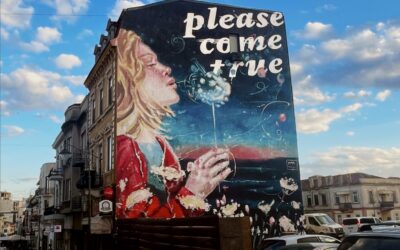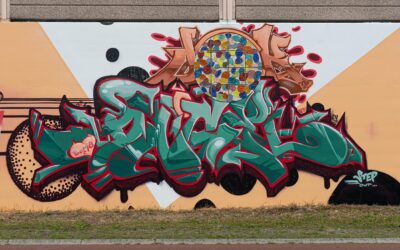
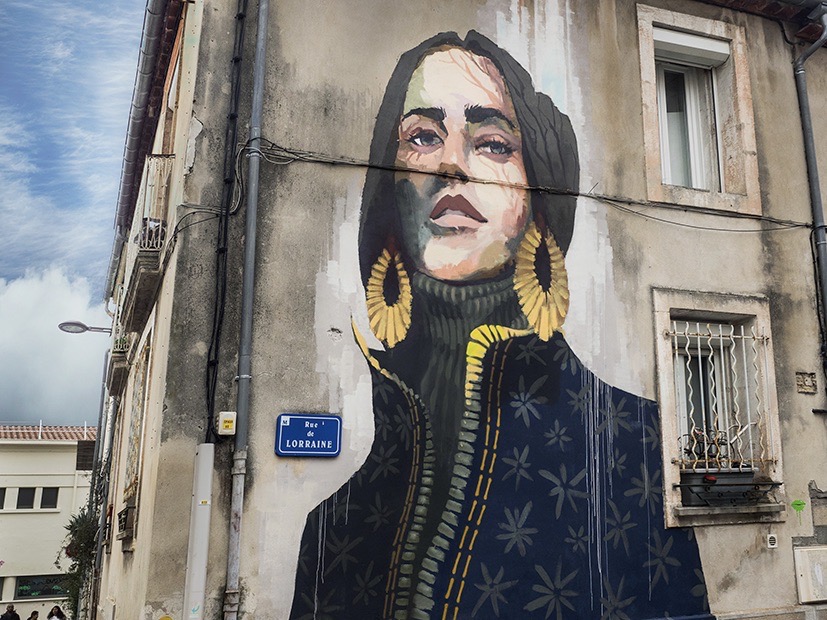
Urban art took on new meaning during the COVID-19 pandemic: while traditional cultural systems ground to a halt, street art continued to be present in urban spaces. It was in this context that the Urban Art Association Te8 was founded, not merely out of inspiration, but as a conscious response. The founders recognized that an isolated artistic presence was insufficient to achieve a genuine impact, so they created a structured yet free and original form of operation.
Led by Predrag Radovanović, this international and multidisciplinary community aims to interpret urban art not merely as a visual element, but as an active social dialogue. Te8’s projects follow this approach: they do not think in terms of isolated works, but rather in terms of systems that continuously reinterpret the relationship between the city, the community, and art.
This interview presents not only the history of an organization, but also a way of thinking—about what urban art means today and what role it can play in the urban culture of the future.
When and under what circumstances was the Urban Art Association Te8 founded?
Urban Art Association Te8 was founded during the COVID-19 pandemic — a moment that disrupted every layer of society. While most cultural systems collapsed or froze, urban art remained present. It was one of the rare forms of expression that could still exist in public space. In that moment, it became more than art — it became a necessity, a form of relief, even a kind of psychological survival. That realization forced us to take responsibility and move from individual action into a structured association.
What inspired the founders to create an association dedicated to urban art?
It was not inspiration in a romantic sense — it was a reaction. We saw clearly that fragmented individual efforts had limits. If we wanted continuity, visibility, and real impact, we needed structure. Te8 was created as a way to organize what already existed, but without losing its rawness.
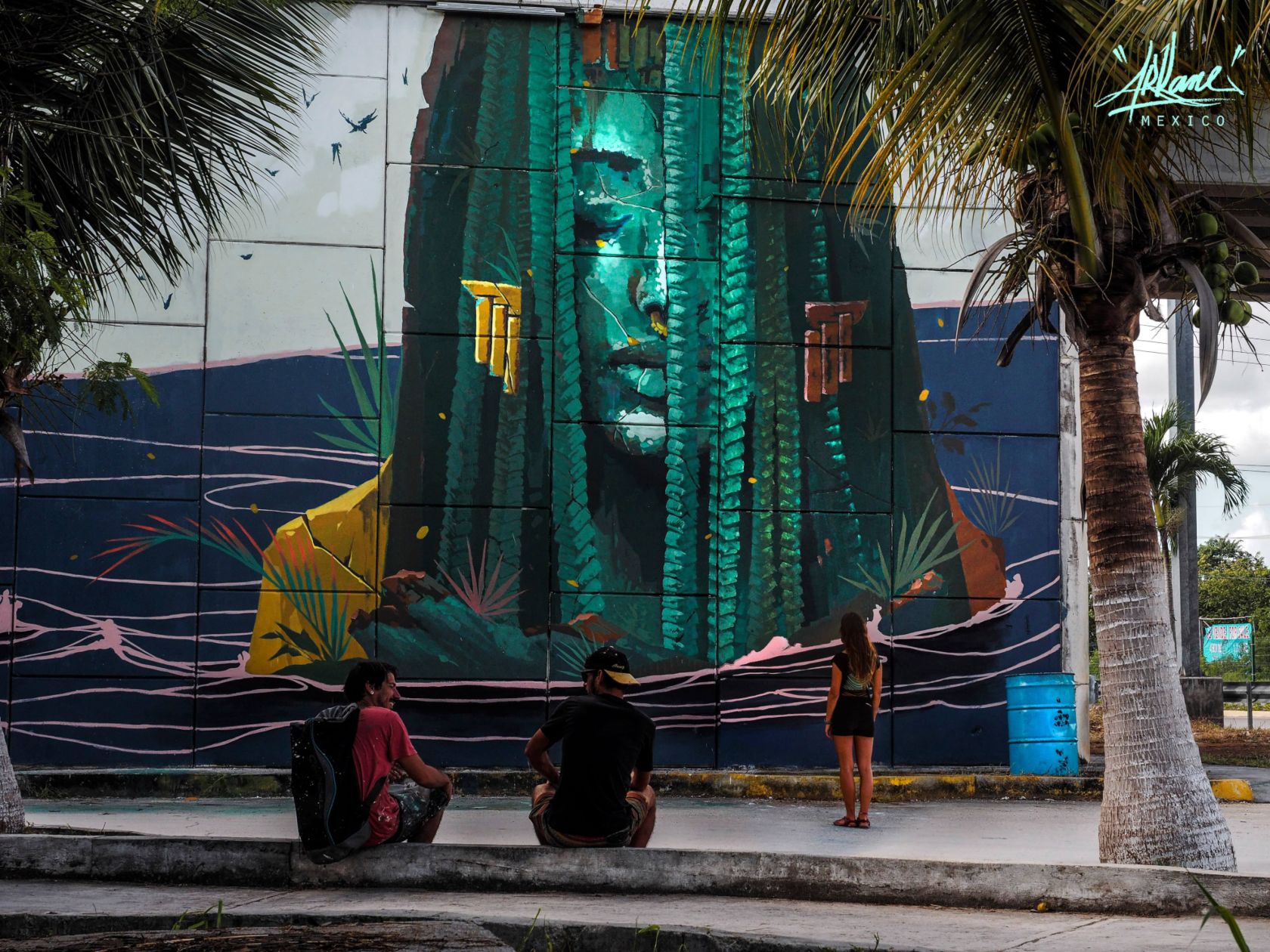
What role did the pandemic play in the association's formation?
The pandemic acted as a catalyst. It was a kind of global pressure test. Instead of allowing that pressure to suppress expression, it pushed us to recognize the importance of what we do. Street art, in its essence, carries freedom of thought — and that was something we were not willing to let disappear.
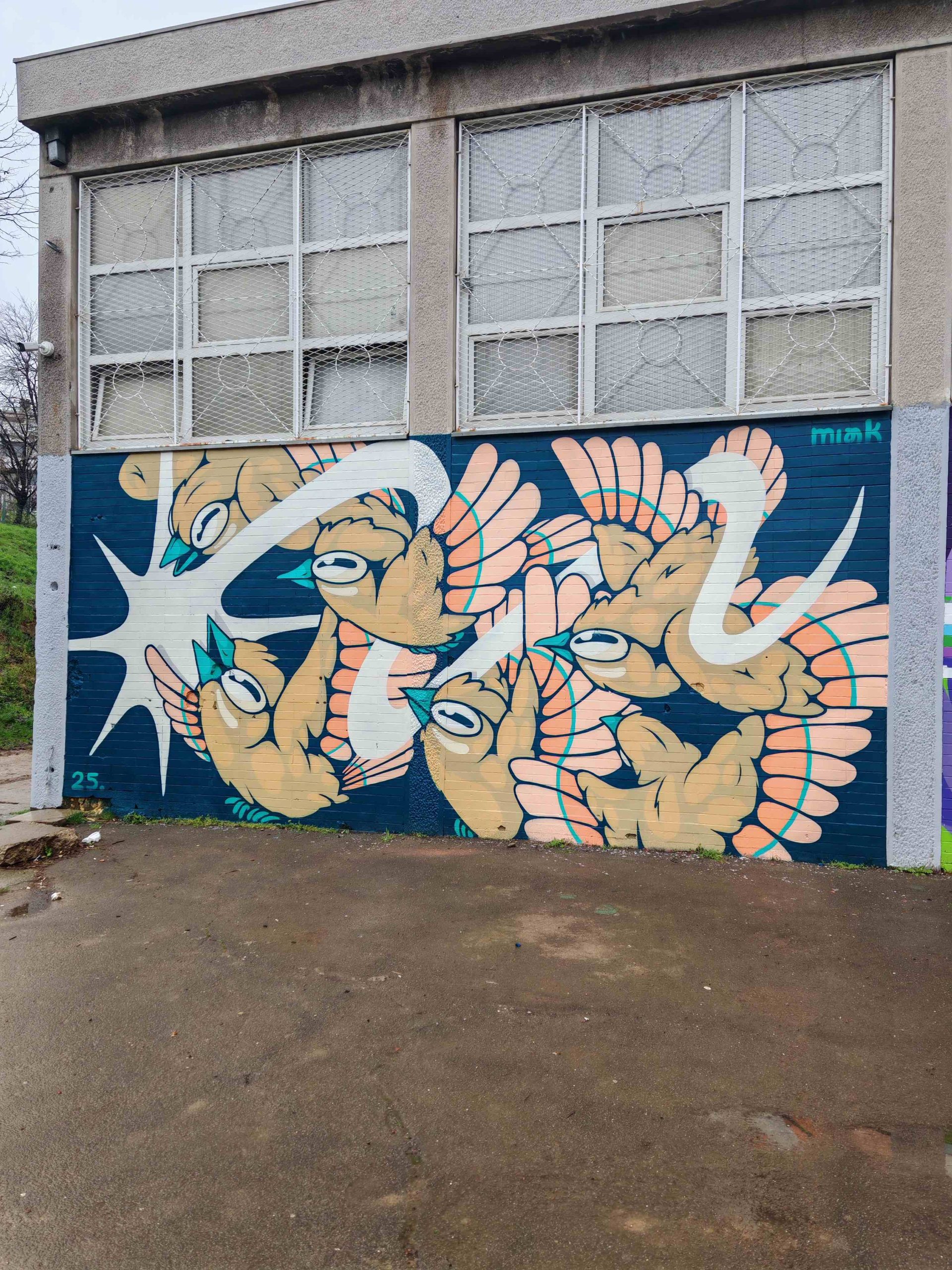
I was in Belgrade too Mink
Who was the key figure in its founding, and what was their background in the world of street art?
The founder and central figure is Predrag Radovanović, who initiated the process and brought together a wider circle of collaborators. Alongside a multidisciplinary team, the goal was clear — to establish an international-level association rooted in Belgrade.
Belgrade has always been a cultural reference point for this part of Europe, especially within the context of the former Yugoslavia. That position carries responsibility. Our role is not just to maintain it, but to push it further.
How did the association's international team and creative community come together?
The foundation was already there — built through previous collaborations, projects, and informal networks. Te8 simply gave structure to those relationships. What defines us is not just international presence, but a multidisciplinary approach. Different perspectives — artistic, cultural, and professional — create a more complete understanding of both art and its environment.
What is the most important mission of the Urban Art Association Te8 in the field of street art and urban art?
To build structure without killing authenticity. To create conditions where urban art can grow, evolve, and be taken seriously — without becoming sterile.
What does urban art mean to you in today's urban culture?
Urban art is one of the last forms of expression that exists directly in real life, not behind institutional walls. It interacts with the city in real time, without filters.
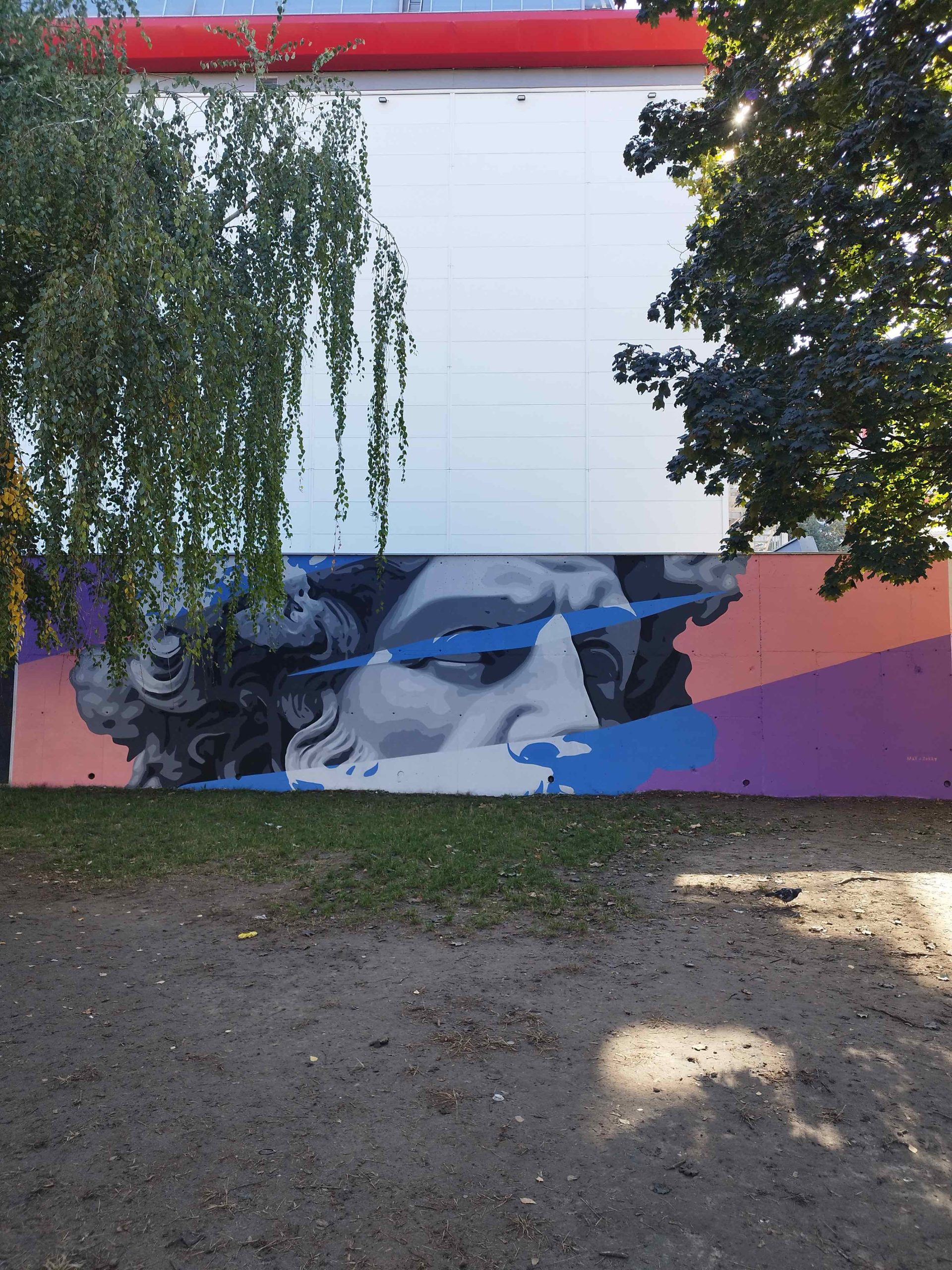
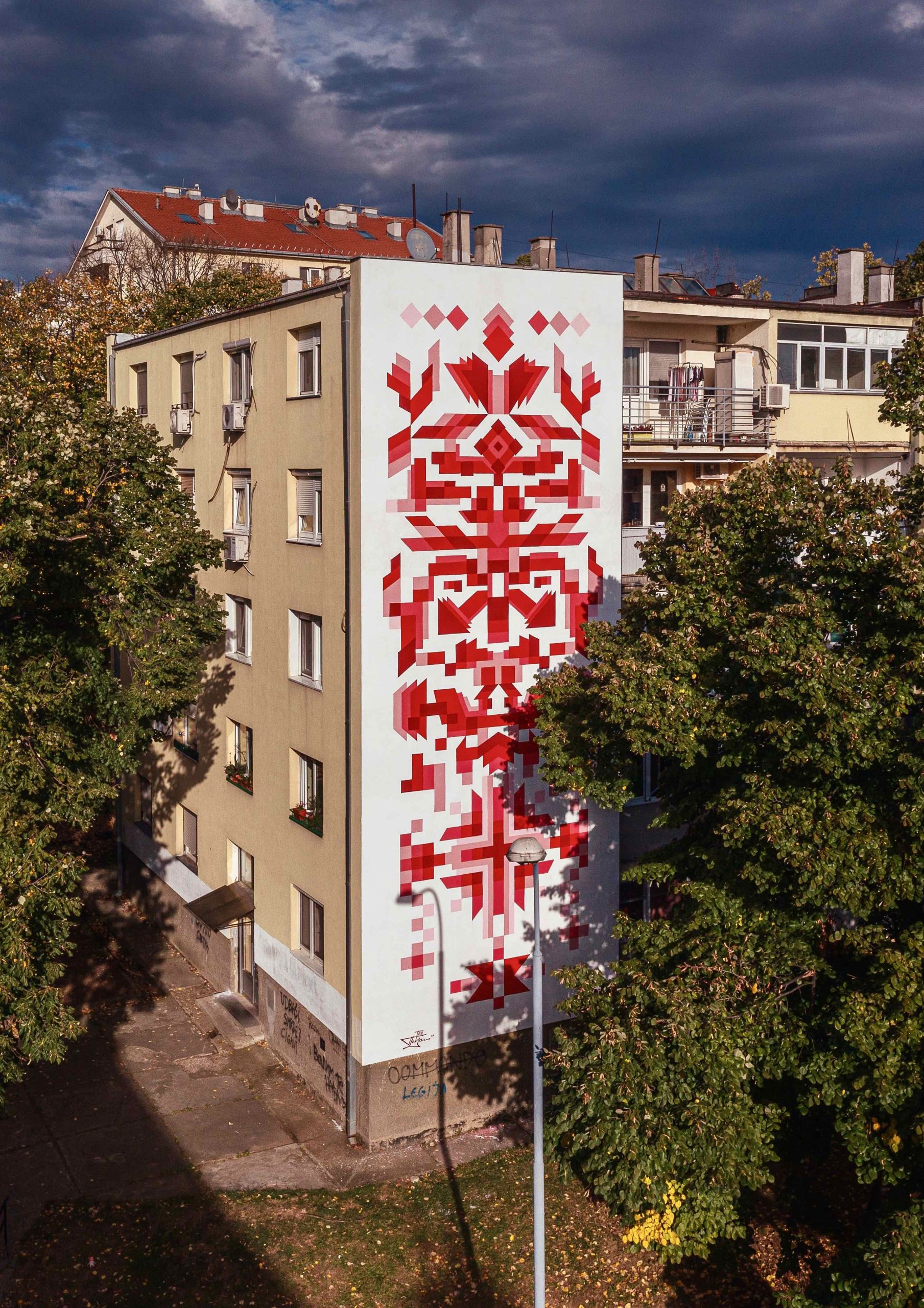
BJ Open Air gallery – Mat x Zekky and Pedja Te8 artists' works
How would you like to shape society's relationship with street art?
By breaking the idea that it is just decoration. Urban art is often reduced to “beautification,” which is a superficial reading. It should communicate, provoke, and sometimes create discomfort. If it doesn’t create any reaction, it becomes irrelevant.
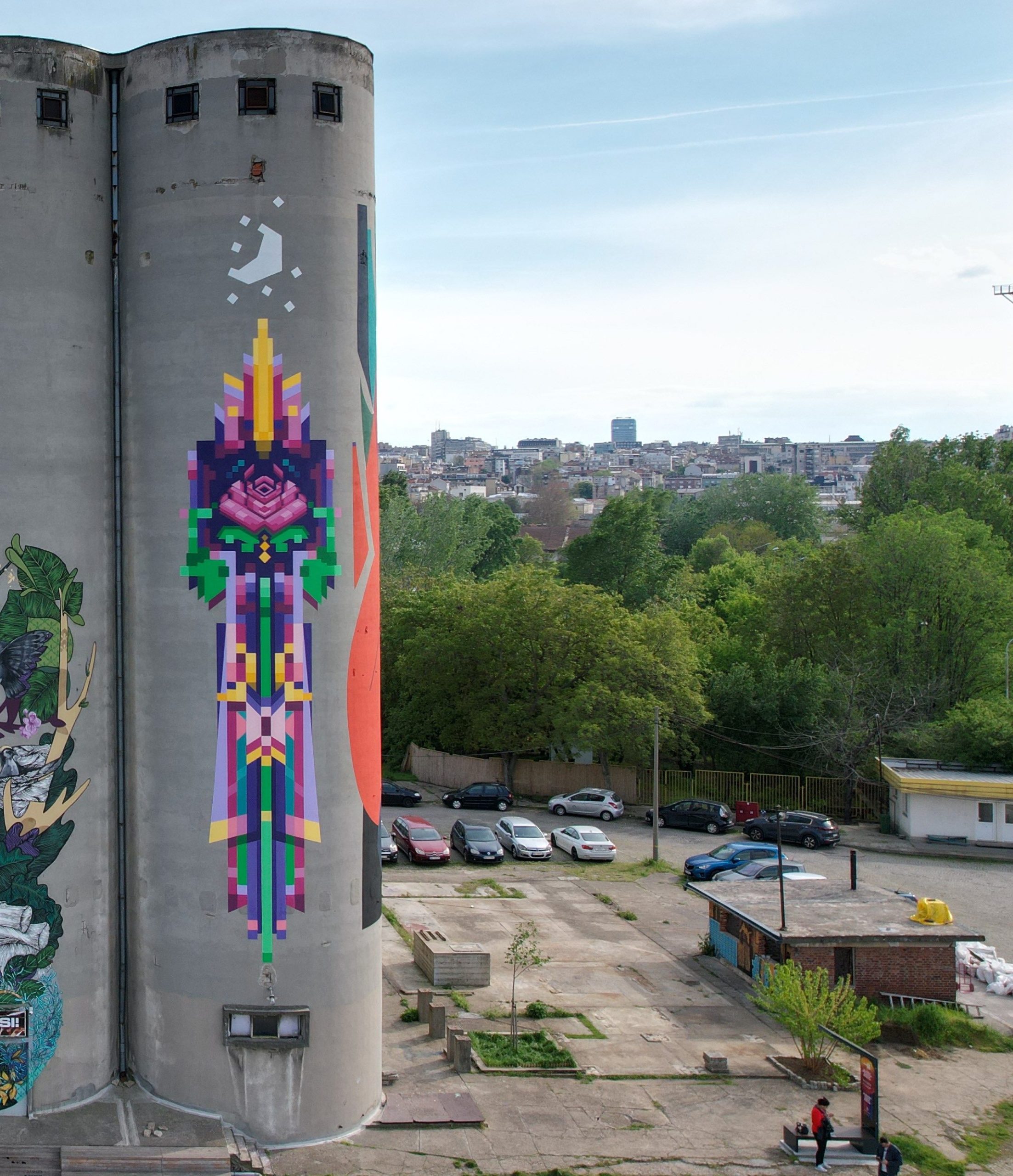
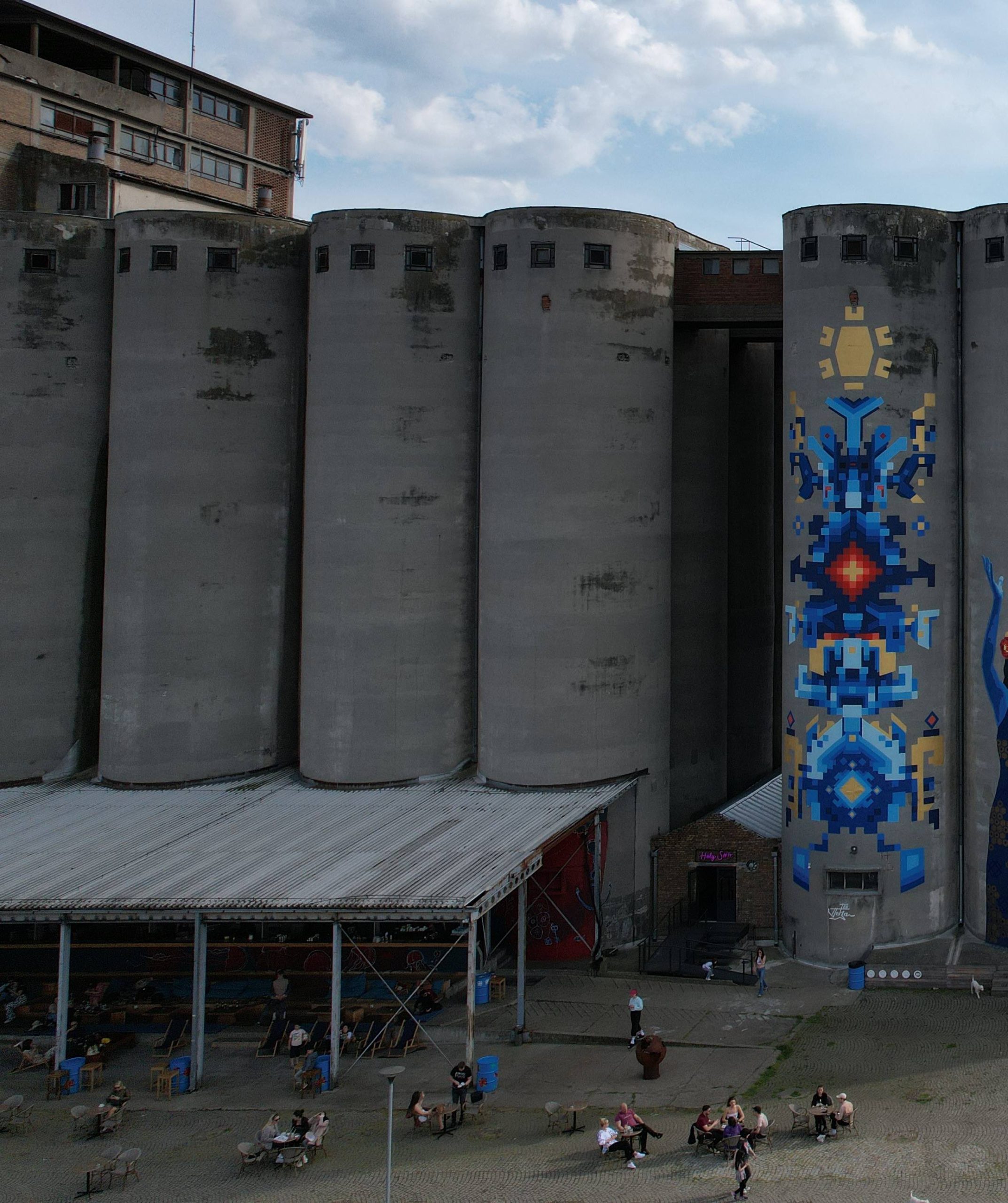
Silos – Pedja Te8
Why is it important for you that urban art steps outside the boundaries of subculture and reaches a wider audience?
Because the label of subculture is limiting. Urban art is already a complex system — a mix of visual language, social context, architecture, and public interaction. It is not a niche anymore. It is a complete cultural form that needs to be positioned as such.
What values does the association represent in the contemporary art scene?
Clarity, independence, and openness. At the same time, we actively push into spaces that are not traditionally connected to urban art — testing its limits and expanding its field of action.
What types of projects and programs does the Urban Art Association Te8 organize?
We develop projects that go beyond production — murals, public interventions, exhibitions, residencies, and cross-disciplinary formats. The goal is always to create a system, not just isolated works.

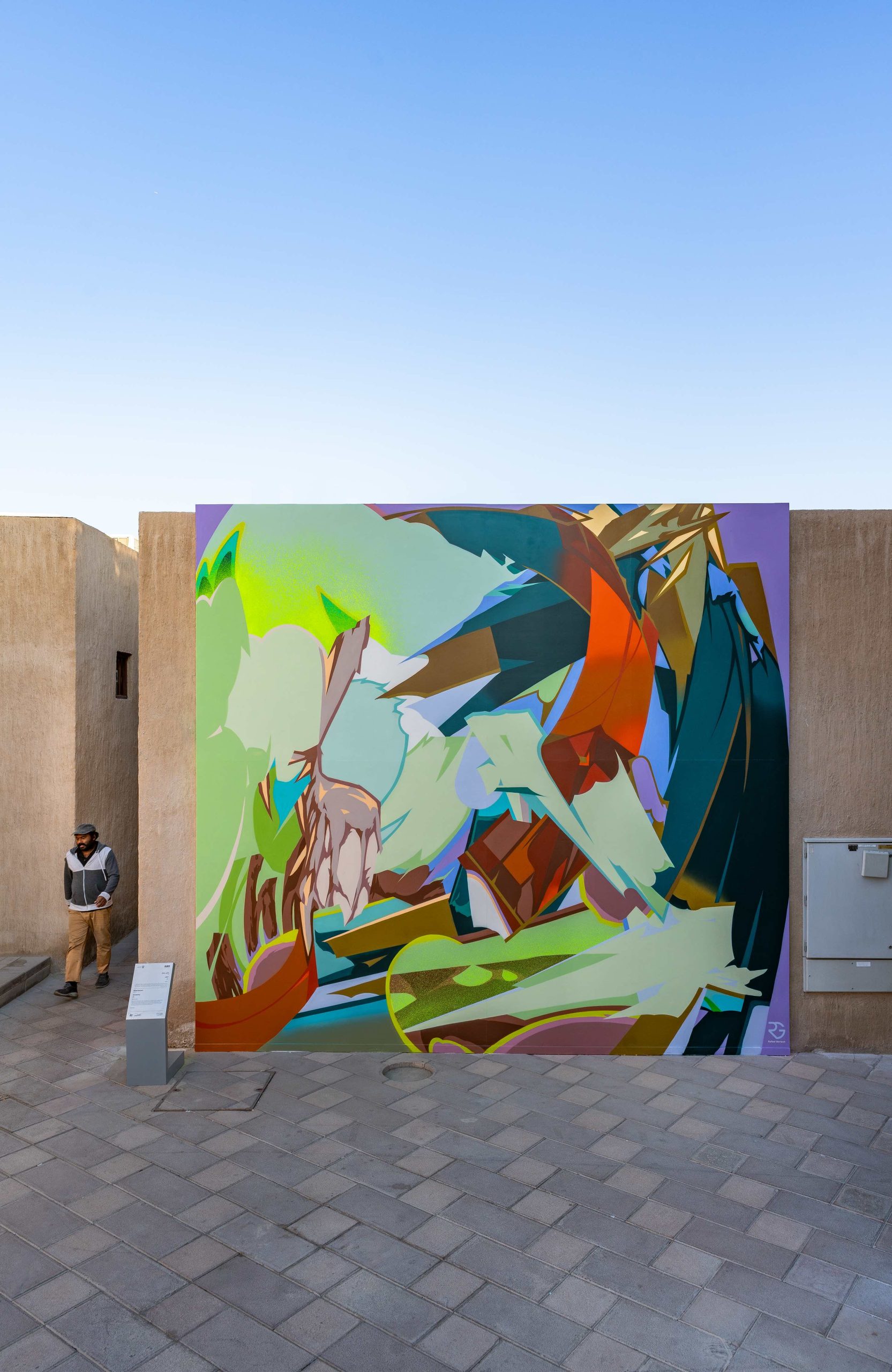
Sikka Dubai 2025 – Pedja Te8 and Rafael Satone artists' works
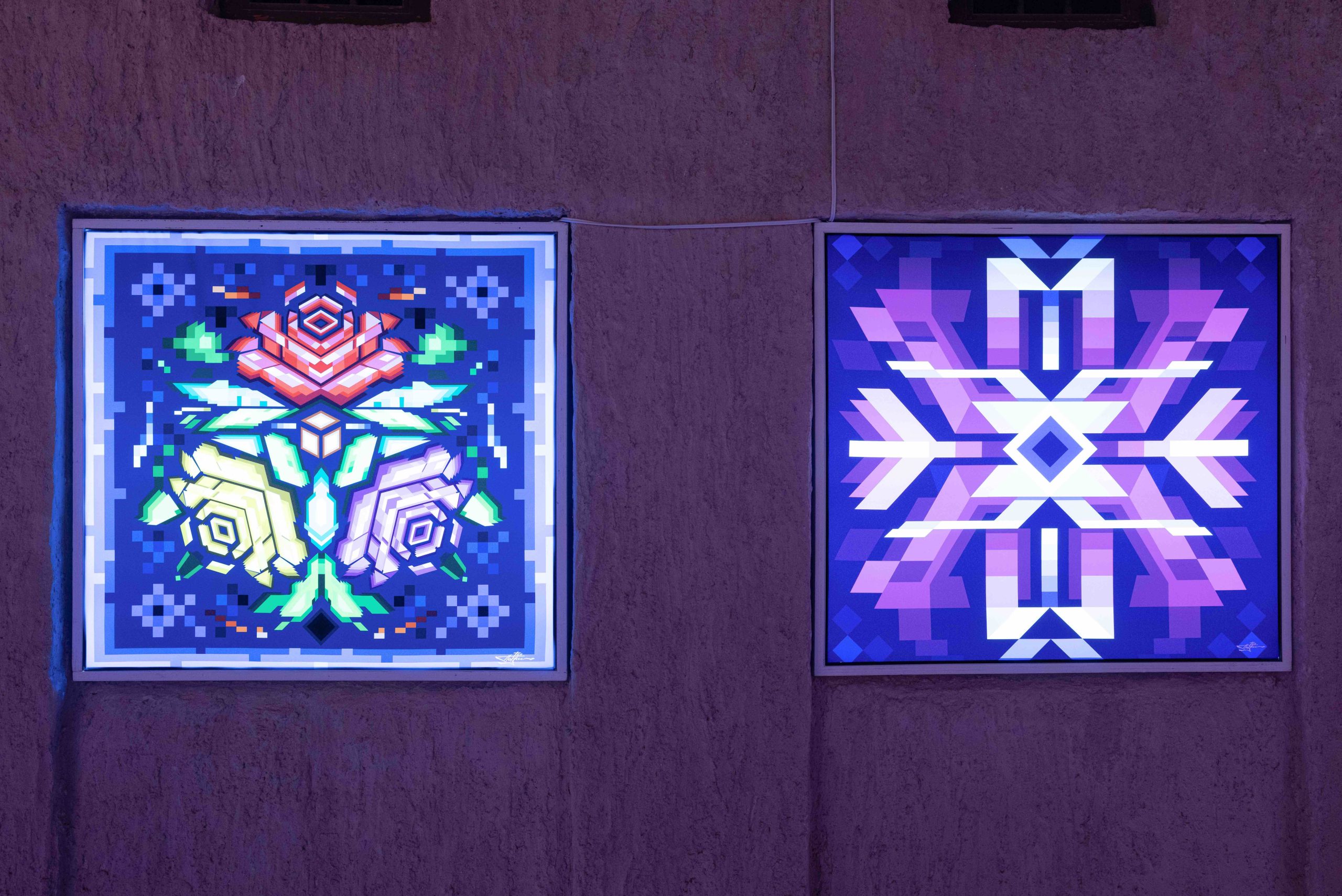
Sikka Dubai 2025 – Predrag Radovanovic
Could you tell us about the mural festivals and community painting events you have organized?
Our festivals are very deliberately positioned. One of our key focuses is education — especially working with schools. We organize mural festivals in different schools across Belgrade because we believe it is essential to introduce urban art at the earliest stages. If there is no connection at that level, the gap only grows later.
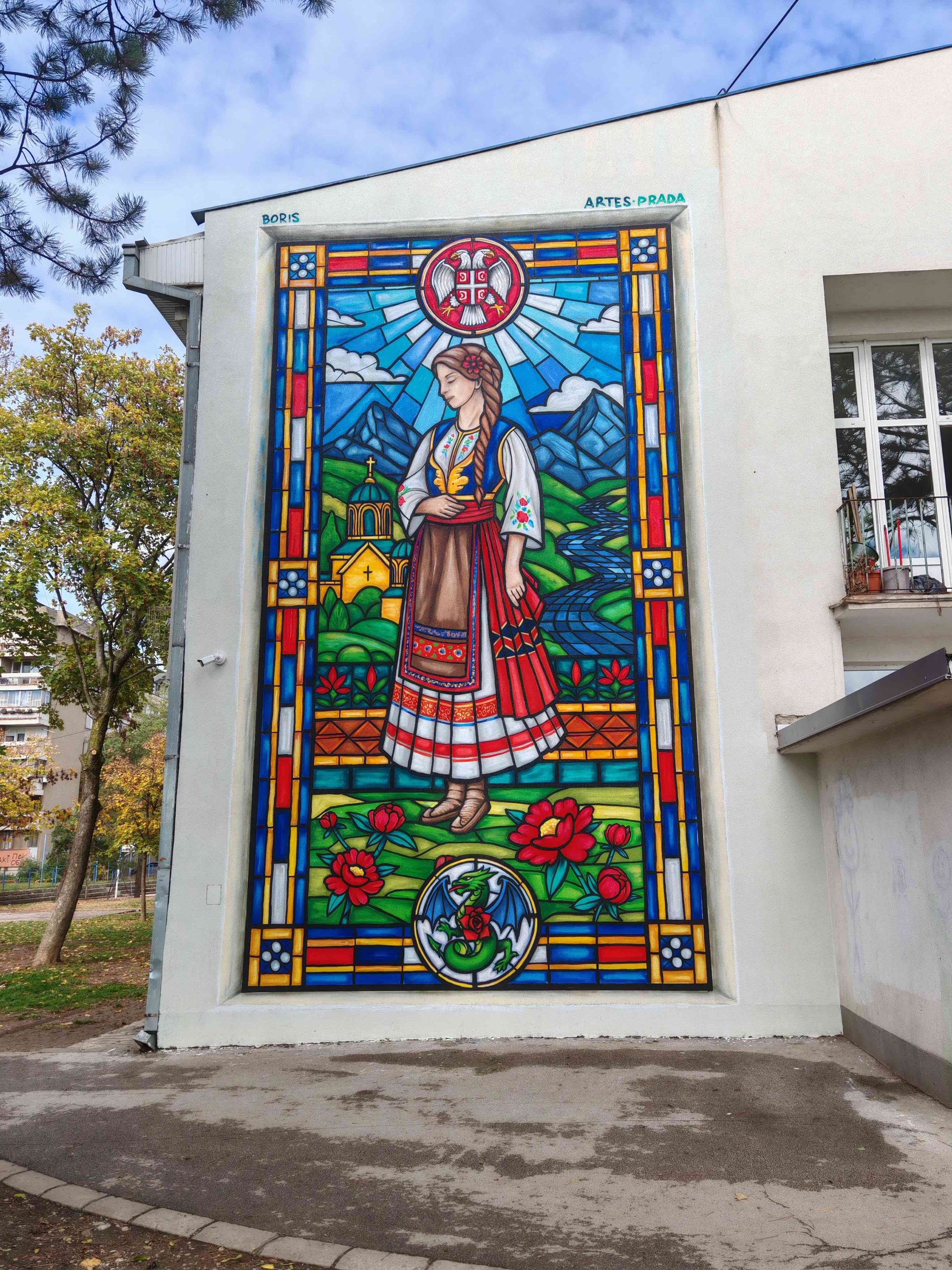
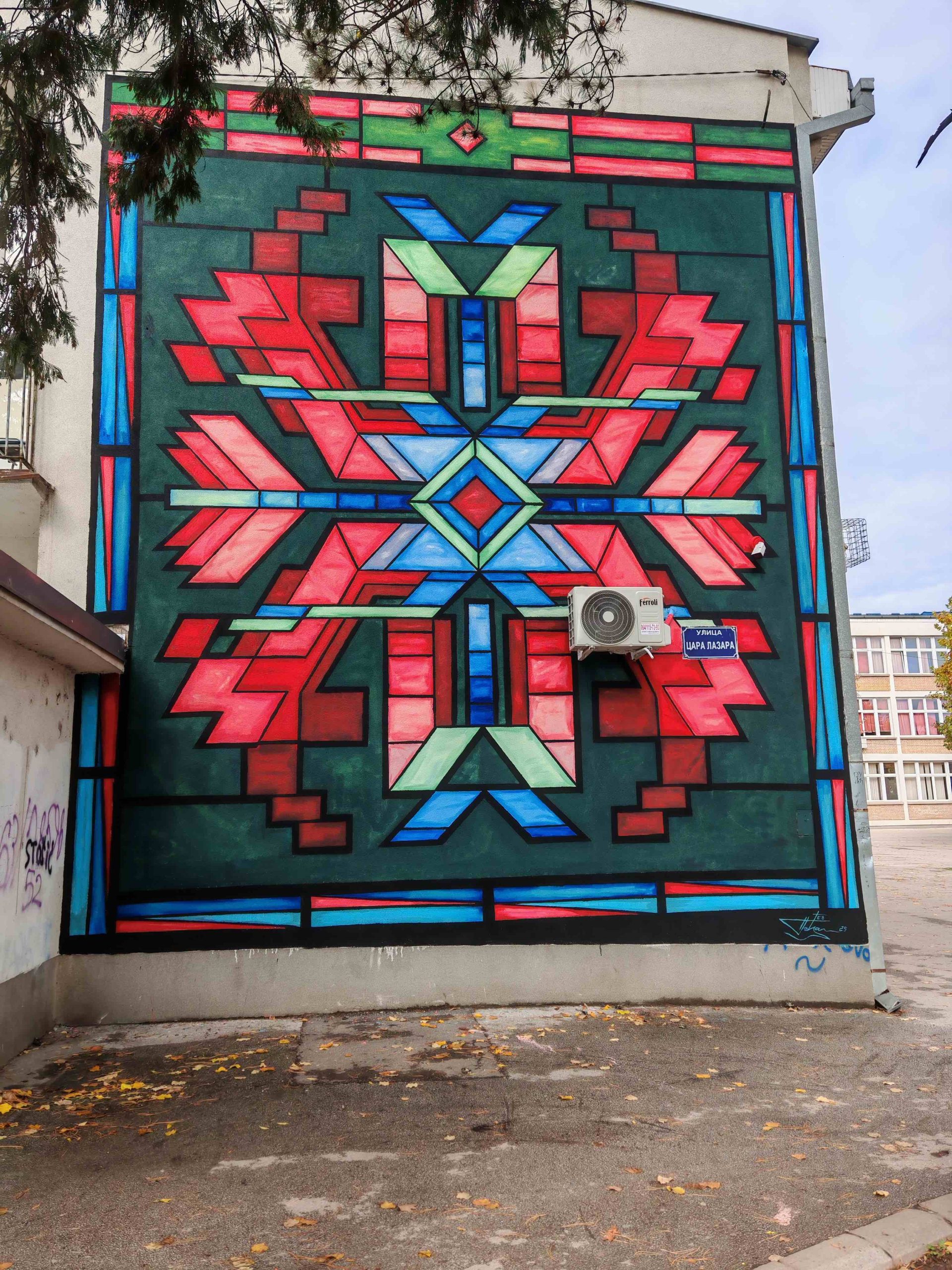
Mural fest school 2025 – Artes Prada and Pedja Te8 artists' works
Alongside that, we develop individual and experimental projects. One of them is Wall Mall Urban Art Space, our original and protected concept, where we bring urban art into shopping centers — spaces that are structurally central to contemporary city life.
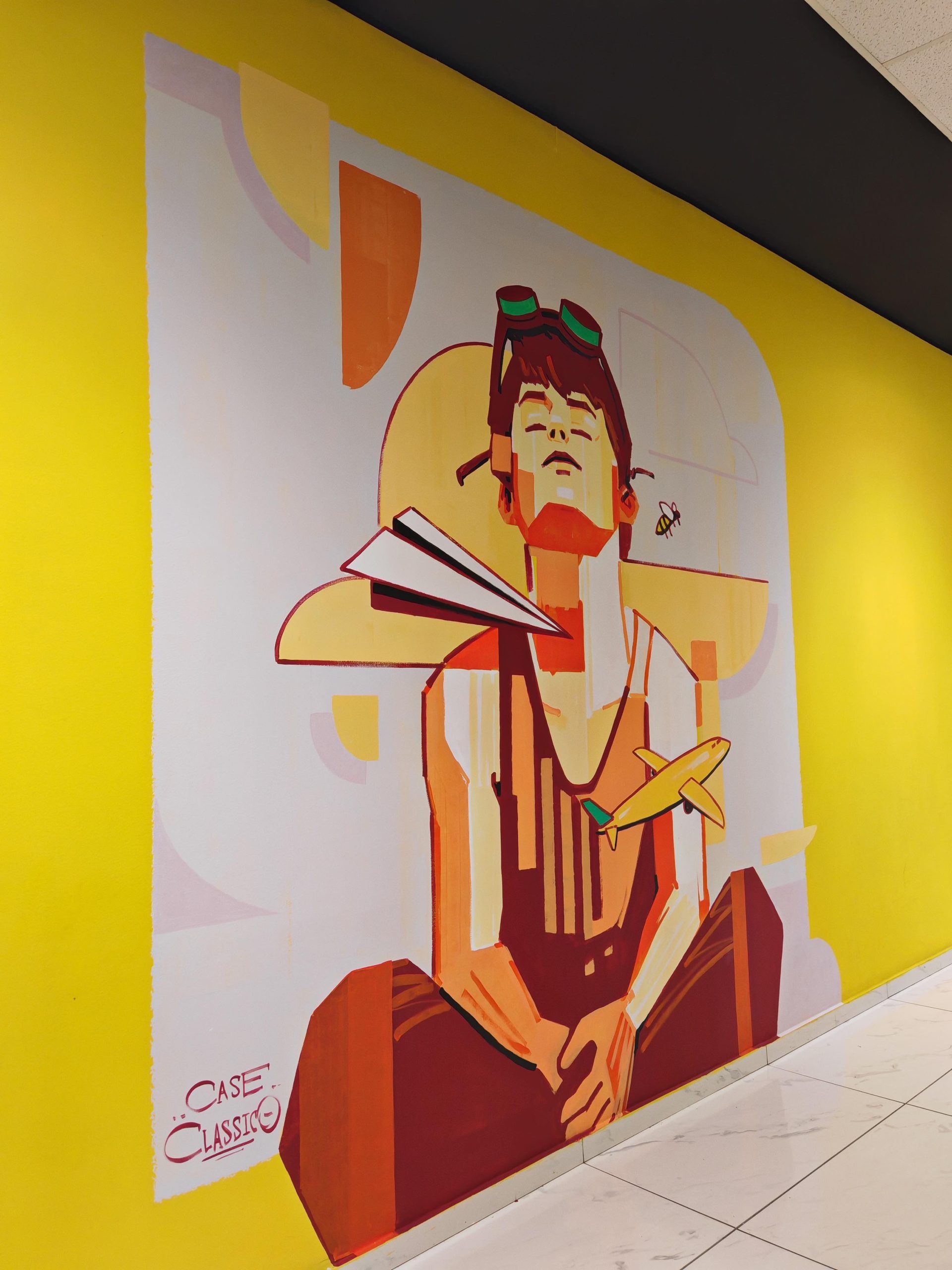
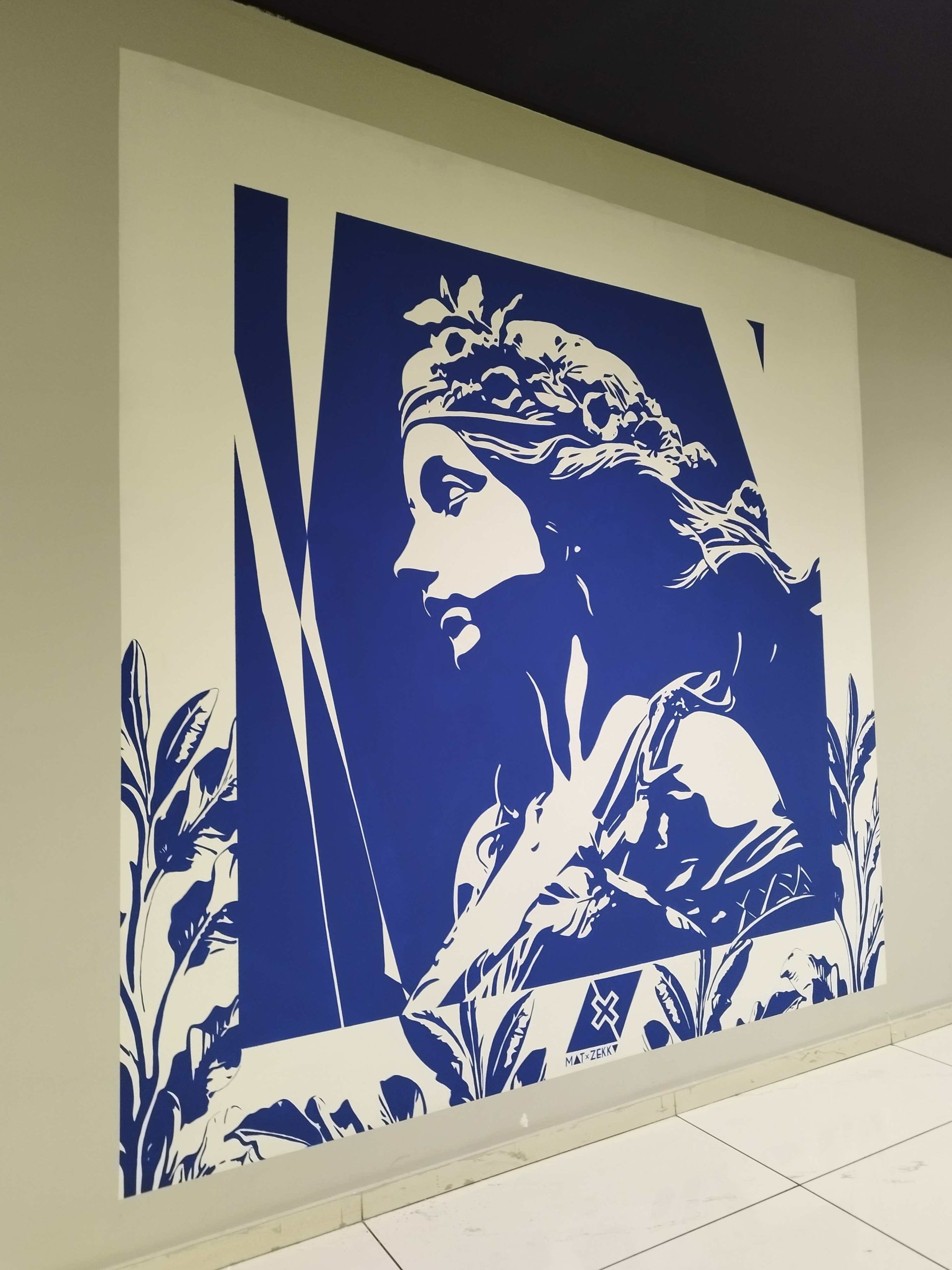
Wall Mall Urban Art Space – Case Classico and Mat and Zakky artists' works
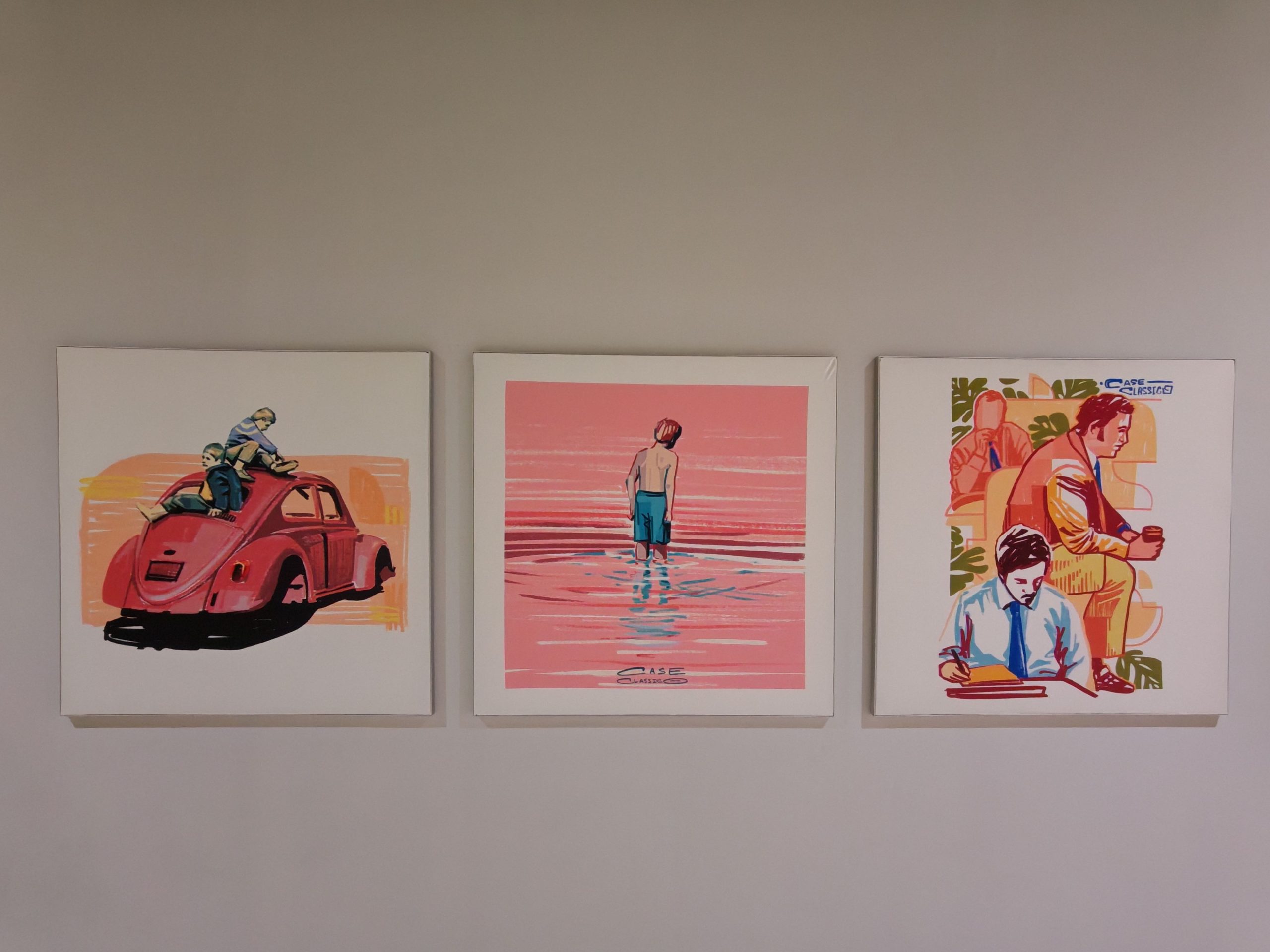
Wall Mall Urban Art Space – Case Classico

Wall Mall Urban Art Space – Mat x Zekky
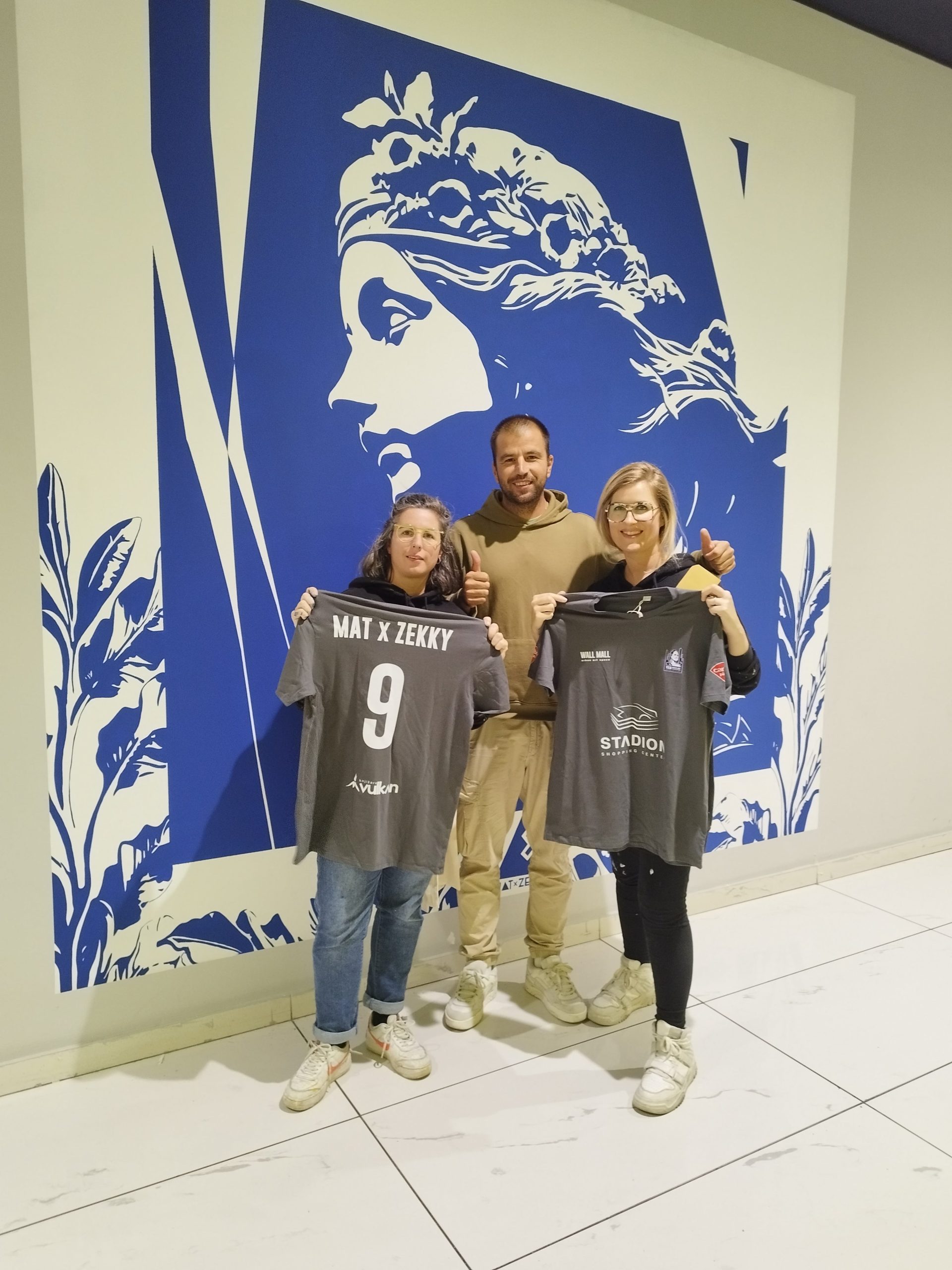
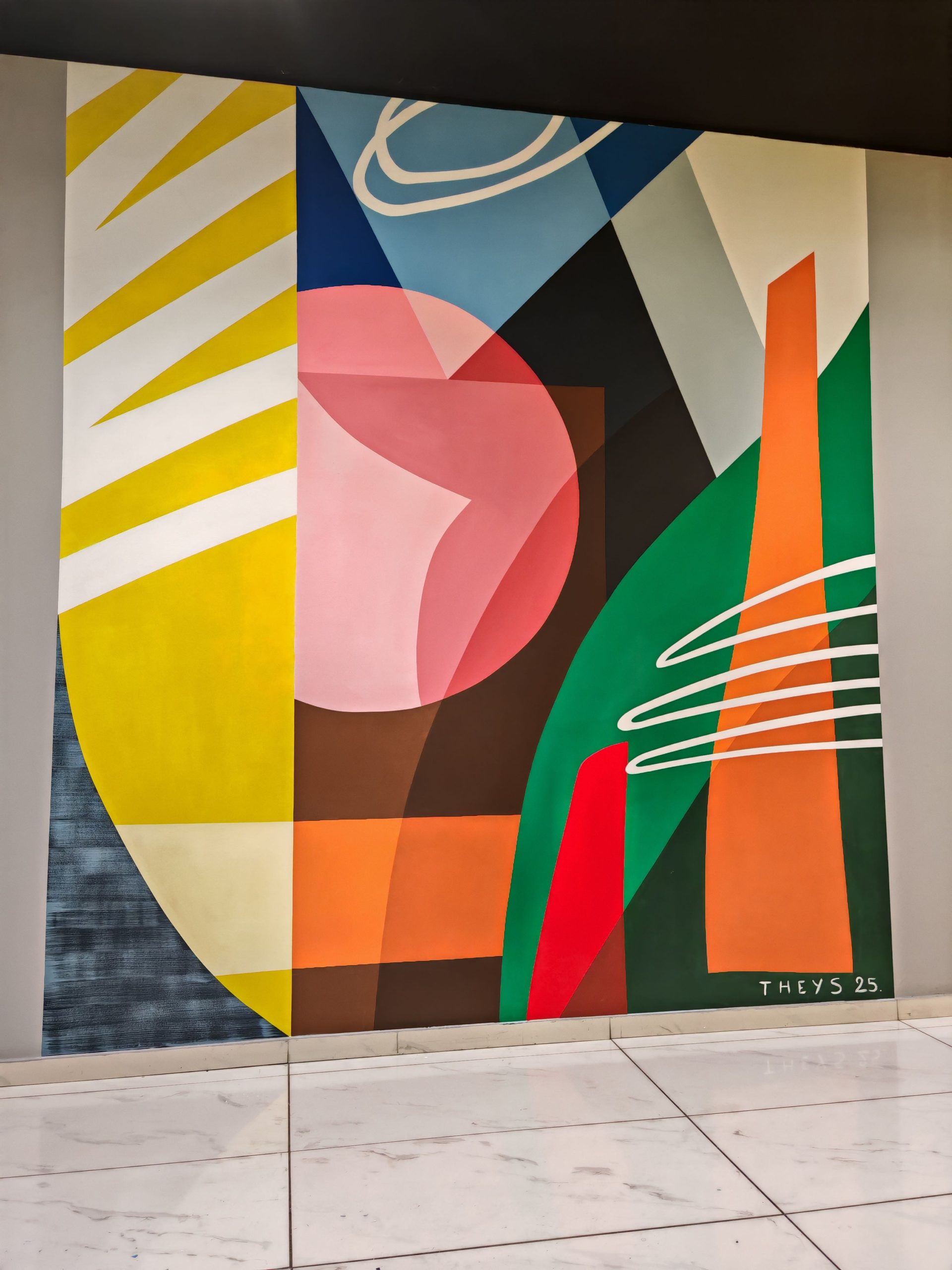
Wall Mall Urban Art Space – Mat x Zekky and Sebastien Theys artists' works
For us, it is not about where art “should” be — but where it can exist meaningfully.
Which international artists have you worked with over the years?
Over the past five years, we have collaborated with many artists across different projects and roles. Some of the names include Rafael Stone, Bilos, Pedja Te8, Mink, and others.
At the same time, we prefer not to create hierarchies between artists. What matters to us is not only professional quality, but also human connection. Most of our collaborations develop into long-term relationships based on trust and mutual respect.
Why do you think it is important to engage with young people and students?
Because they will shape how public space is understood in the future. Without early exposure, urban art remains distant and misunderstood.
How do you try to bring street art culture closer to the younger generation?
Through direct involvement. Not only showing finished works, but opening the process — workshops, school projects, conversations. Making it accessible and real.
How do local communities respond to urban art projects?
Reactions are not always uniform — and that is important. Support, curiosity, resistance — all of it creates dialogue. Urban art without reaction is just surface.
The association works with artists from several countries. How did these international relationships develop?
They developed organically, through years of collaboration. Today, our network includes artists and organizations from France, the UAE, Spain, Italy, Japan, and beyond. Te8 builds continuity from those connections.
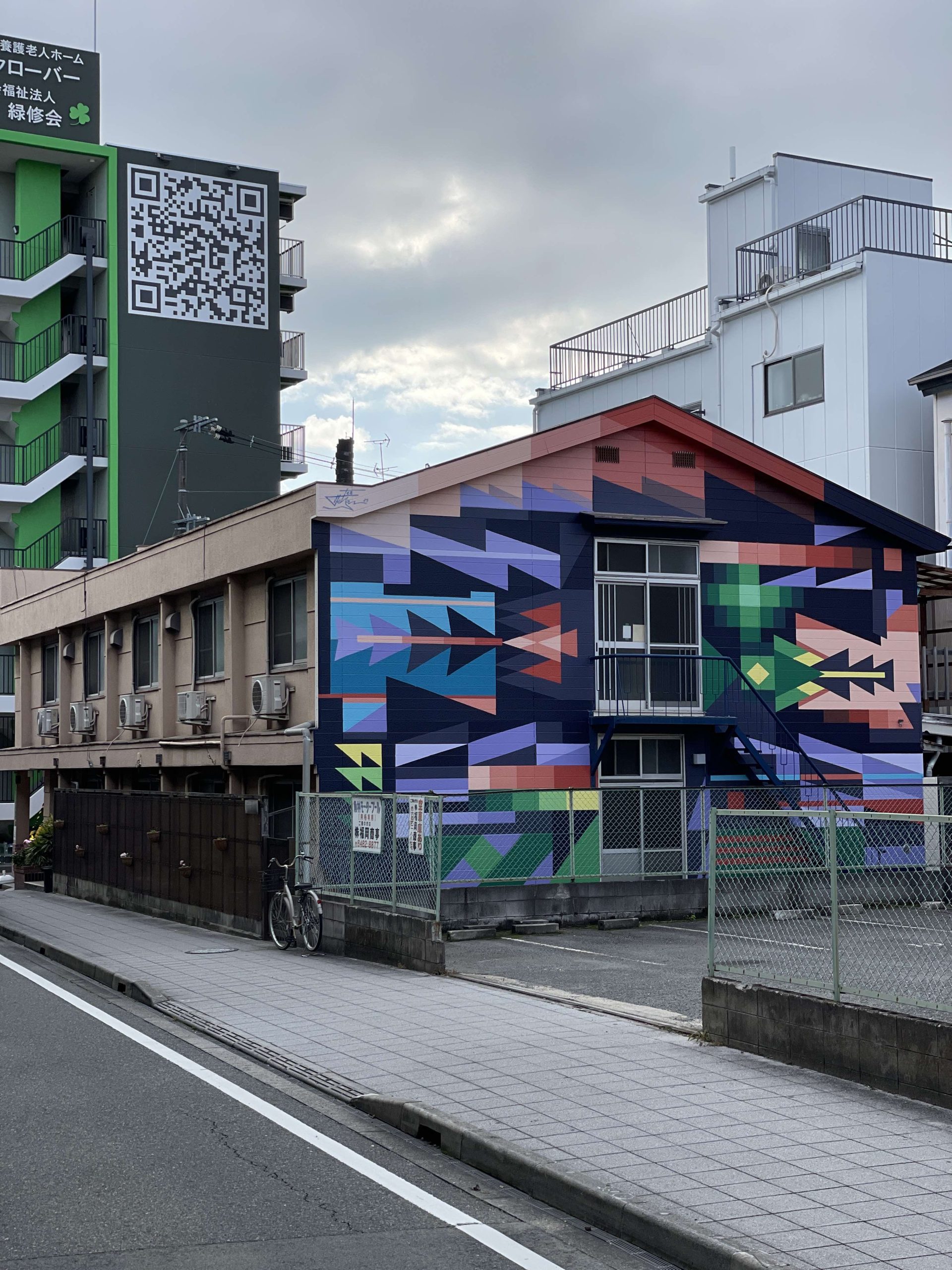
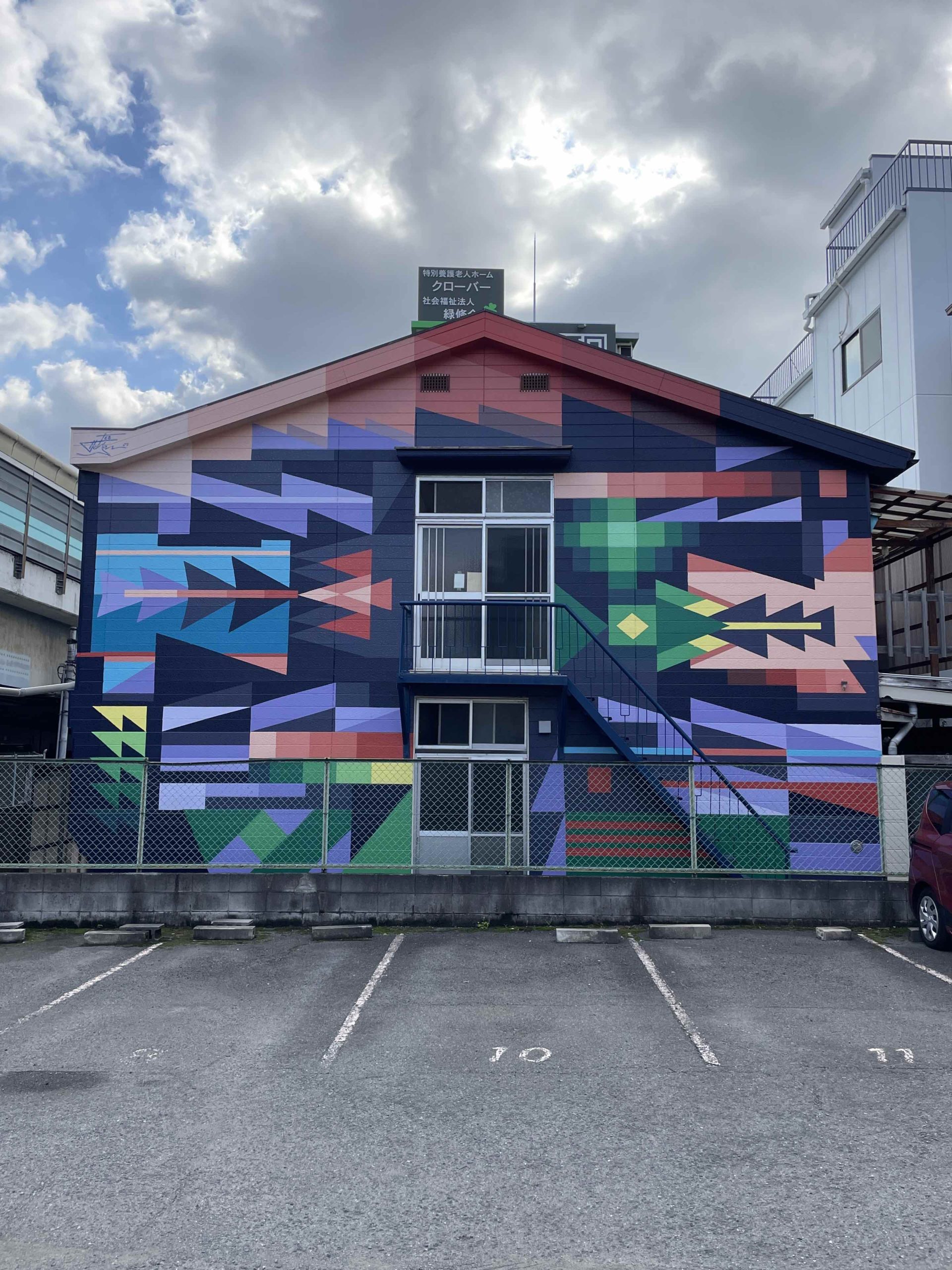
Wall Share Japan – Pedja Te8
What role does international cooperation play in the development of the organization?
It is fundamental. Every scene and every culture carries its own values, and working in isolation has clear limits.
Belgrade has always had a cosmopolitan character, especially within the context of the Balkans and the former Yugoslavia. Maintaining that openness is not optional — it is a responsibility.
How do you see the relationship between the Serbian and international street art scenes?
The Serbian scene has strong potential, but it still needs stronger positioning. International exchange is key to that — not as imitation, but as dialogue.
What role do you think street art plays in shaping urban spaces?
Street art can redefine how a city is experienced — but only if it is done with awareness. Not every wall is meant for intervention. Uncontrolled or unconsidered work can damage both the city and the movement itself.
Urban art must exist in dialogue with architecture, urban planning, and the identity of a place. Otherwise, it becomes noise.
Can street art be a tool for social dialogue or change?
Yes — but only when it engages with reality, not just aesthetics.
How important is it to you that artworks convey a message?
It is important, but not in a simplified way. Every work should carry intention — without that, it becomes empty.
What projects is the Urban Art Association Te8 team currently working on?
We are developing both ongoing and new projects this year. Given our strong connection with sports, especially football, this is a dynamic period due to major international events.
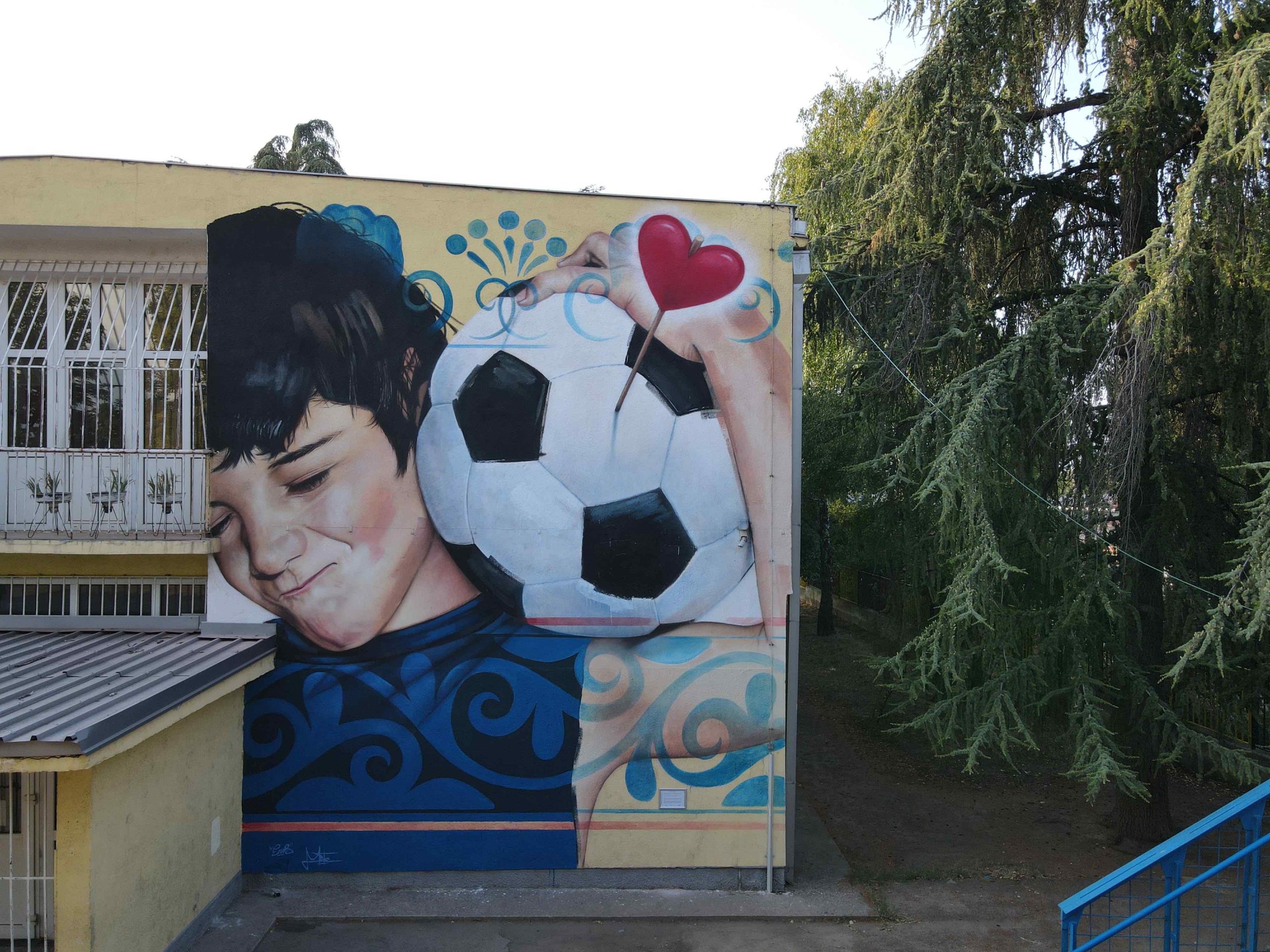
Street Art Connection 2024 – Mate Artist
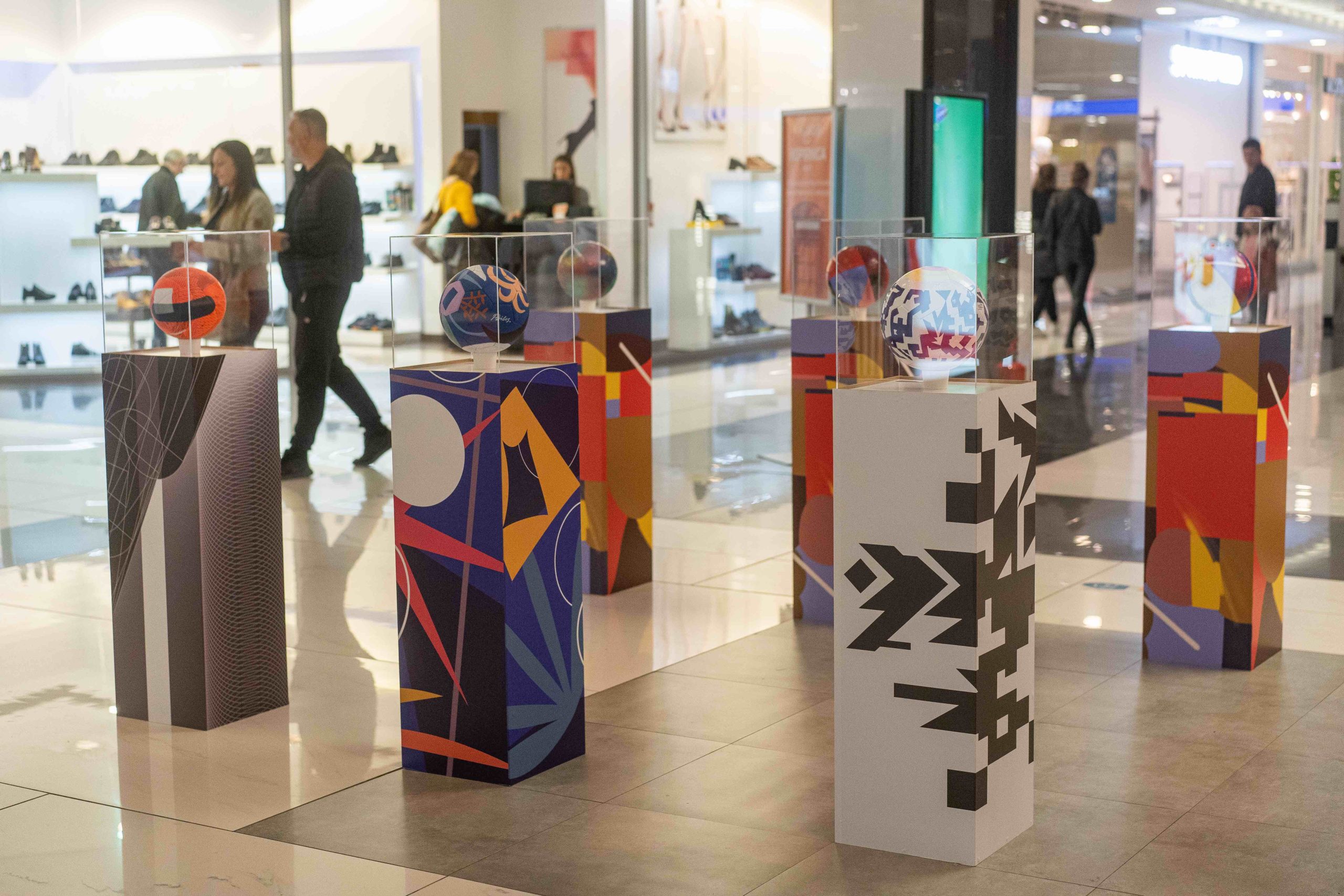
Street Art Connection 2022
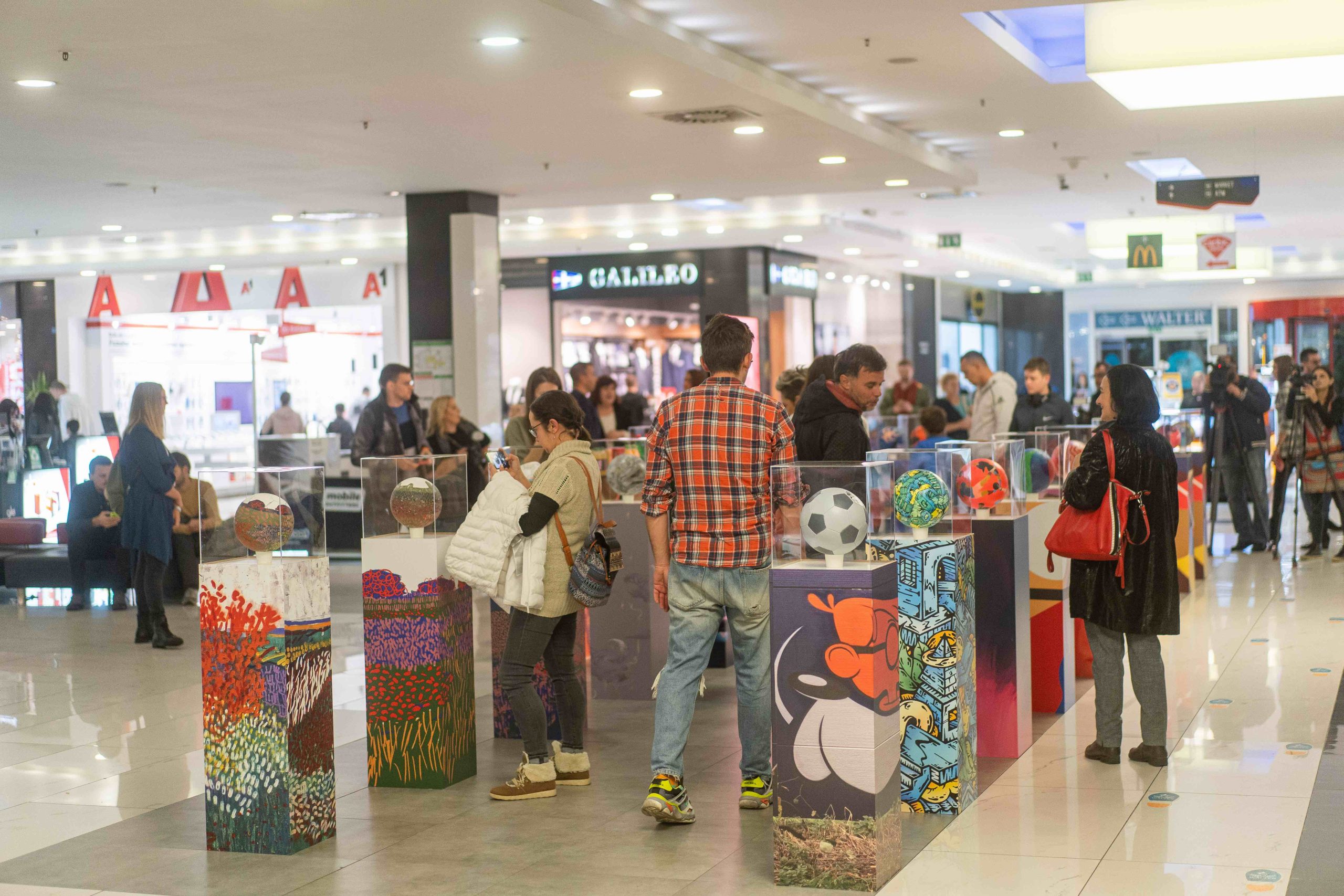
Street Art Connection 2022
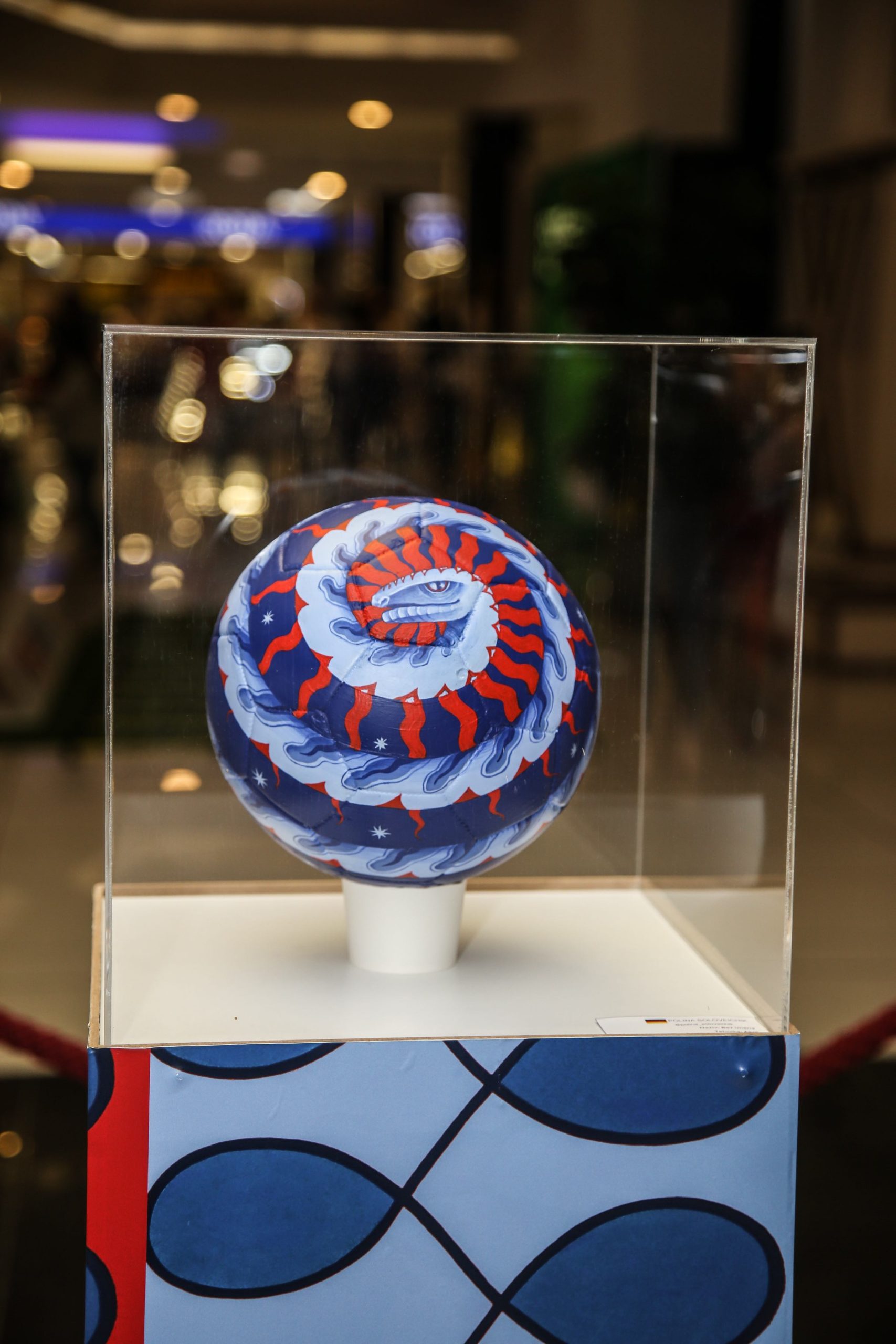
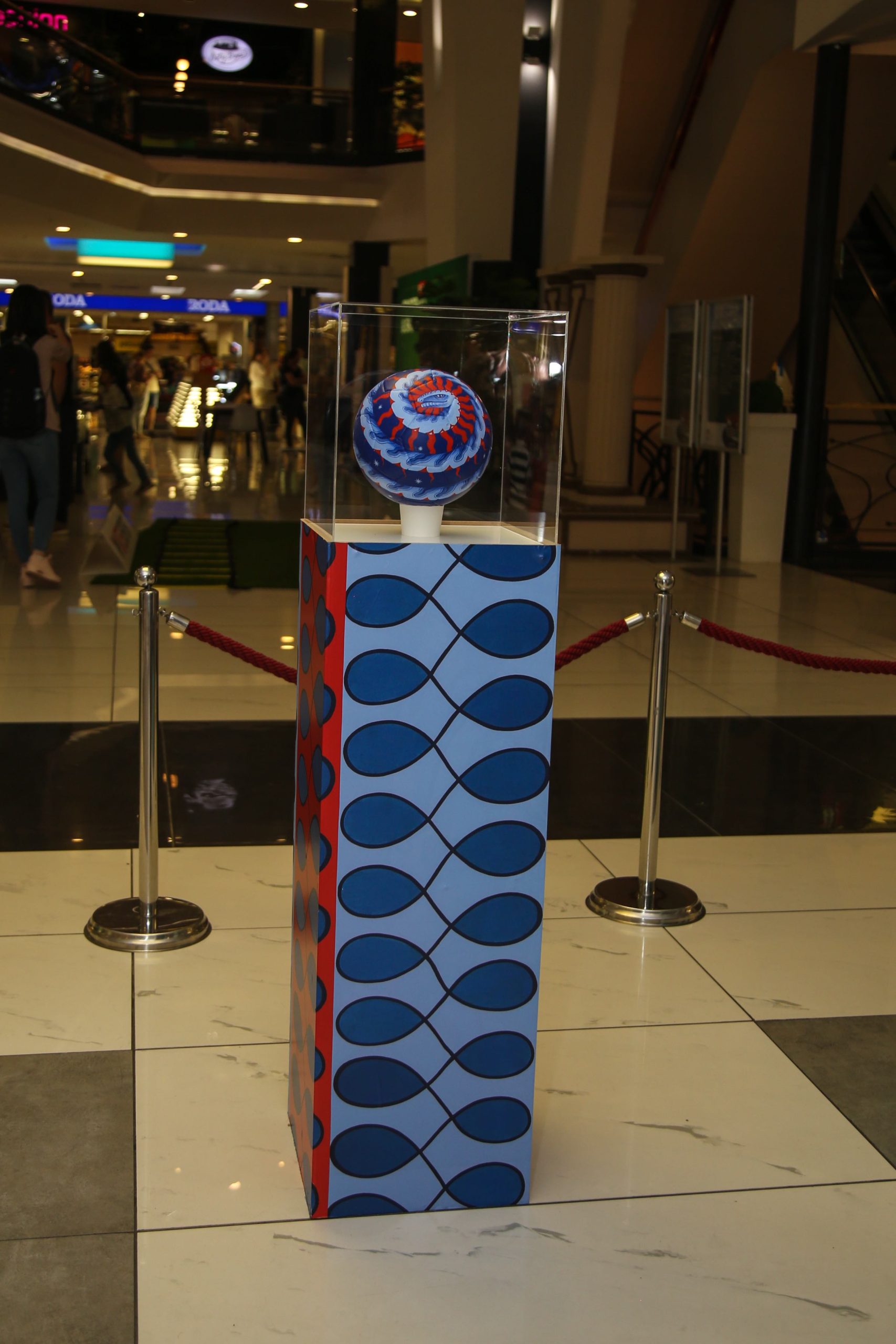
Street Art Connection 2024 – Polina Soloveichik
At the same time, one of our goals is to establish collaboration with the Hungarian scene, opening a new direction for future projects.
What are your future plans for the development of the association?
To grow internationally, develop more complex formats, and continue building a stable platform that can support artists in a serious way.
Would you like to launch projects in new cities or countries?
Yes — and not only in expected places. We are particularly interested in regions outside the usual urban art circuits, where there is strong potential but less exposure.
We are always open to collaboration and invite partners to reach out. At the same time, we approach new contexts with the intention to learn, not just to impose.
Where do you see urban art fitting into the future of contemporary art?
Urban art is already both the present and the future of contemporary art. The line between studio practice and urban expression is becoming increasingly irrelevant. Artists are already moving freely between those spaces.
At some point, that division will disappear completely. Theorists and institutions will have their work — to define, categorize, and analyze. That is their role.
Ours is different. We are focused on creation and production — not on divisions.
The association's website
Urban Art Association Te8