

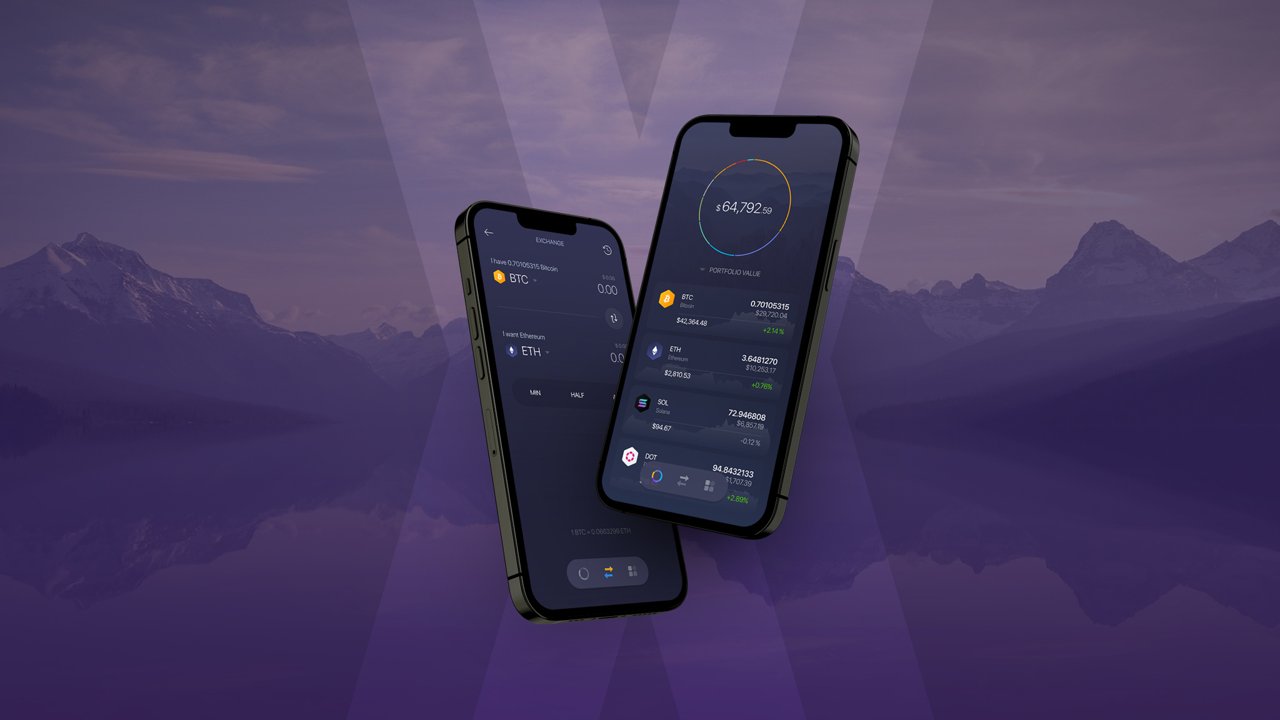
The Exodus wallet is a self-service cryptocurrency wallet designed to give people financial autonomy.
The Exodus empowers people to control their assets. Exodus Wallet stands out among crypto wallets for several reasons, as it is a self-service cryptocurrency wallet designed to ensure financial autonomy!
What is Exodus?
Exodus is a self-service crypto wallet that supports 50+ blockchains and 369 cryptocurrencies on the most popular web3 networks.
No account registration is required because Exodus runs locally on your device. Control your assets with the 12-word secret recovery phrase and private keys generated when you first open your wallet.
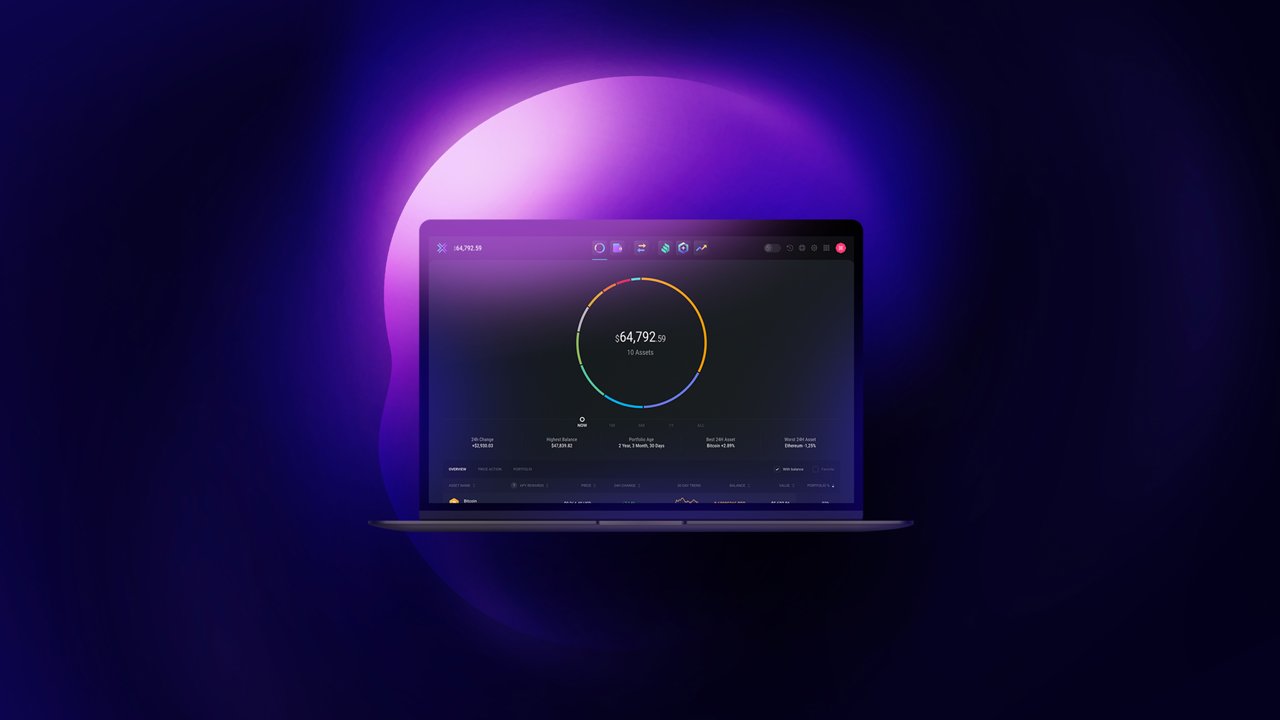
Instead of an email and password combination, what identifies your wallet and your funds is the 12-word secret recovery phrase. The secret recovery phrase is the most important part of your wallet! Be sure to write it down and store it safely offline.
Is Exodus a self-service wallet?
Yes, Exodus is a self-service wallet, also known as a non-custody wallet. This means that you and only you have full access and control over the 12-word secret recovery phrase and private keys.
There is a saying in crypto: "Not your keys, not your coins." With Exodus Wallet, all the keys and all the coins are yours.
Exodus cannot access the secret recovery expression or private keys, nor can it see transaction history.
Do I need the internet to use Exodus?
Yes, the Exodus wallet requires an internet connection to send and receive blockchain funds.
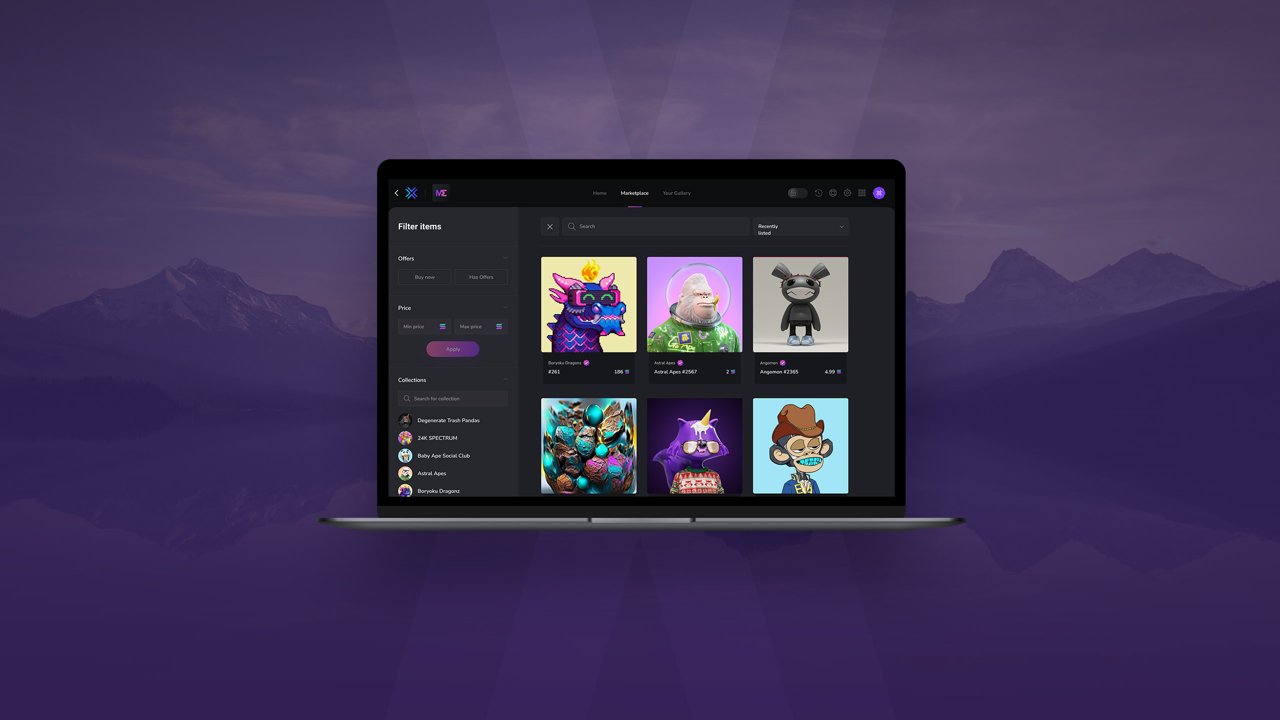
Exodus uses market information to provide real-time updates on portfolio value. If you lose access to the internet, you can still open Exodus and view the your portfolio, but the pricing information may not be up to date.
How can I keep my wallet safe?
As a self-service wallet, Exodus gives you the power to control your digital assets. That's why they don't store your personal data or your wallet files on their servers. This way no one will be able to freeze, seize or access your funds.
This is true financial sovereignty.
This is also why security is vital. Everyone has power and full responsibility for their crypto. The wallet files are stored under heavy encryption, but the wallet is only as secure as the device it is running on.
How can I back up my wallet?
The most important thing you can do is back up your wallet by writing down the 12-word secret recovery phrase. Once you have the secret recovery phrase, you can always access your funds.
Backing up your wallet with a secret recovery phrase allows you to restore your wallet to another device at any time.
You only need to back up your wallet once. The description of the secret recovery phrase ensures that you can regain access to your crypto if you buy a new device or if your phone or computer breaks, is stolen or lost.
Write down your 12-word secret recovery sentence on paper and store it safely offline. Do not store the secret recovery sentence as an unencrypted digital copy. Storing the secret recovery phrase or private key as an unencrypted digital copy (also as a photo) makes it easier for hackers to steal funds.
After you have written down the secret recovery phrase and stored it safely offline, it is then recommended to set a strong password for the Exodus application. Then every time you close Exodus, your devices and wallet files will be encrypted with your password, which is an added layer of security.
Where is Exodus available?
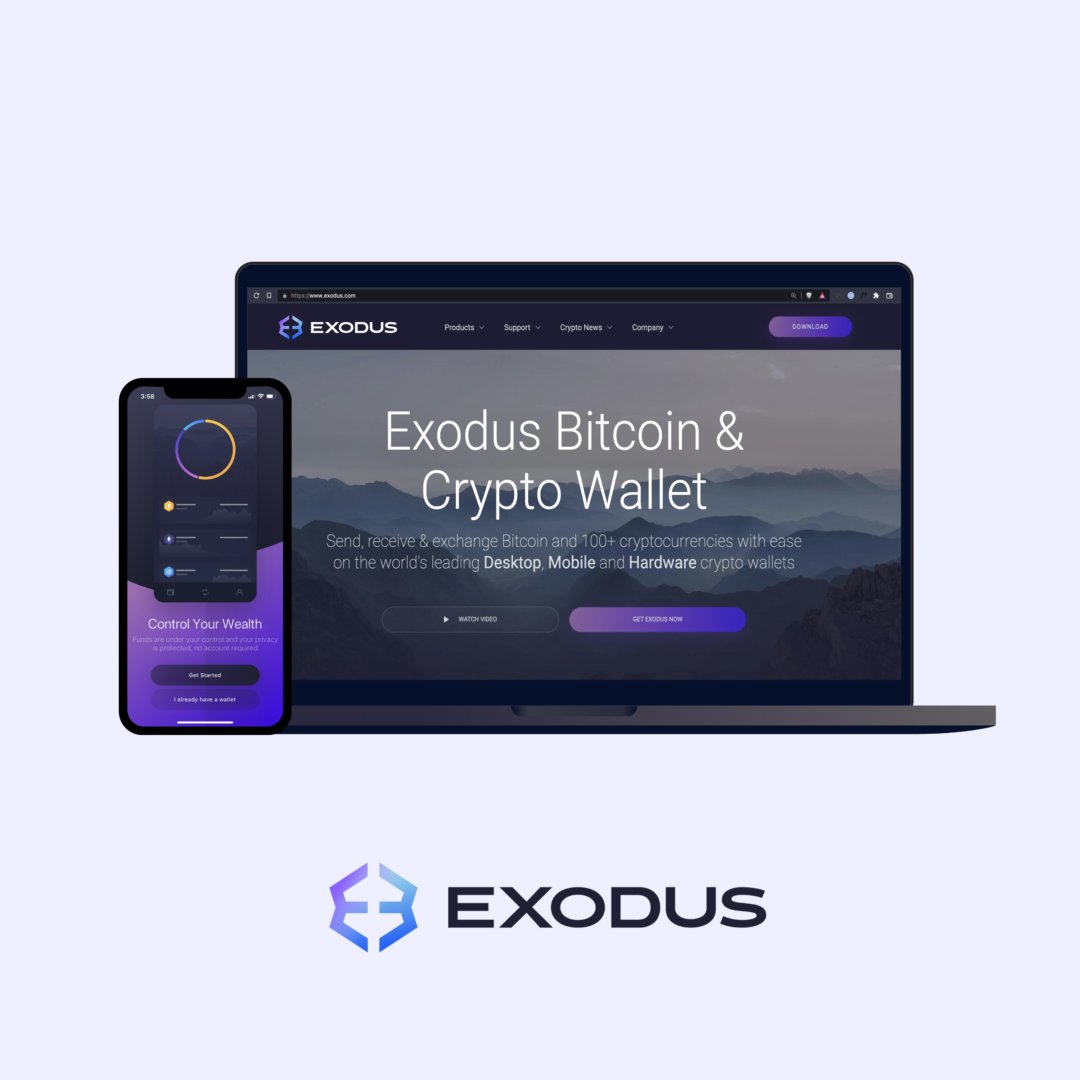
The Exodus crypto wallet is accessible on desktop, mobile and from a Chrome browser.
Try Exodus and manage all your cryptographic data in one secure wallet. During setup, enter the 6XWSRF invitation code. 🚀