Bitcoin isn’t just used in whole units. Just as a kilometre can be broken down into metres, or a kilogram into grams...
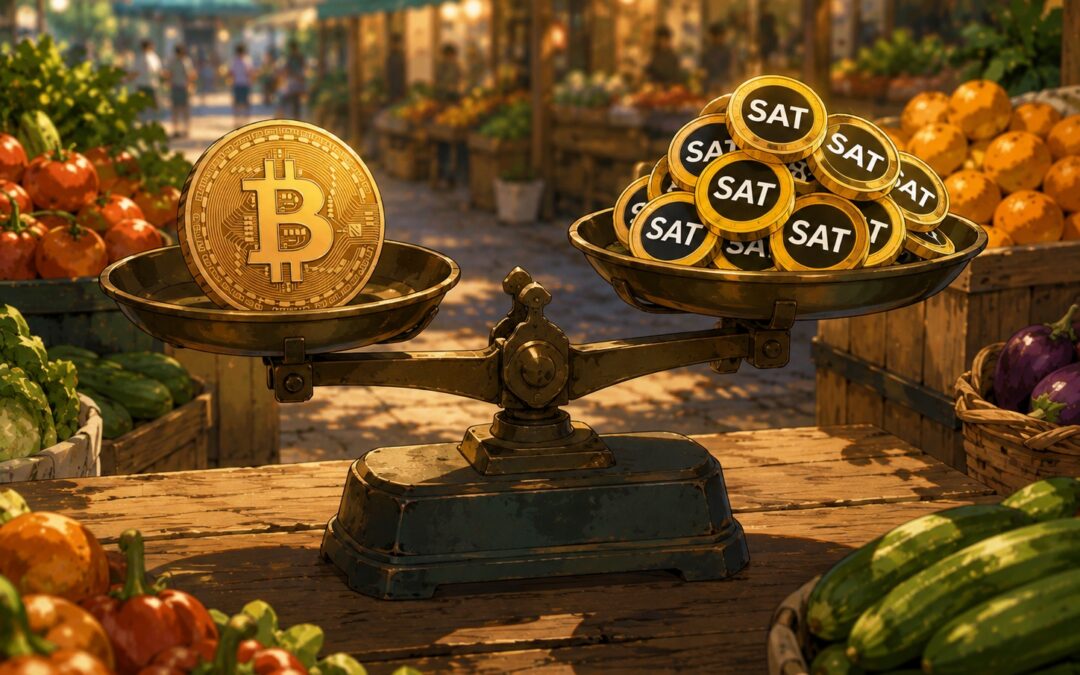

Bitcoin isn’t just used in whole units. Just as a kilometre can be broken down into metres, or a kilogram into grams...
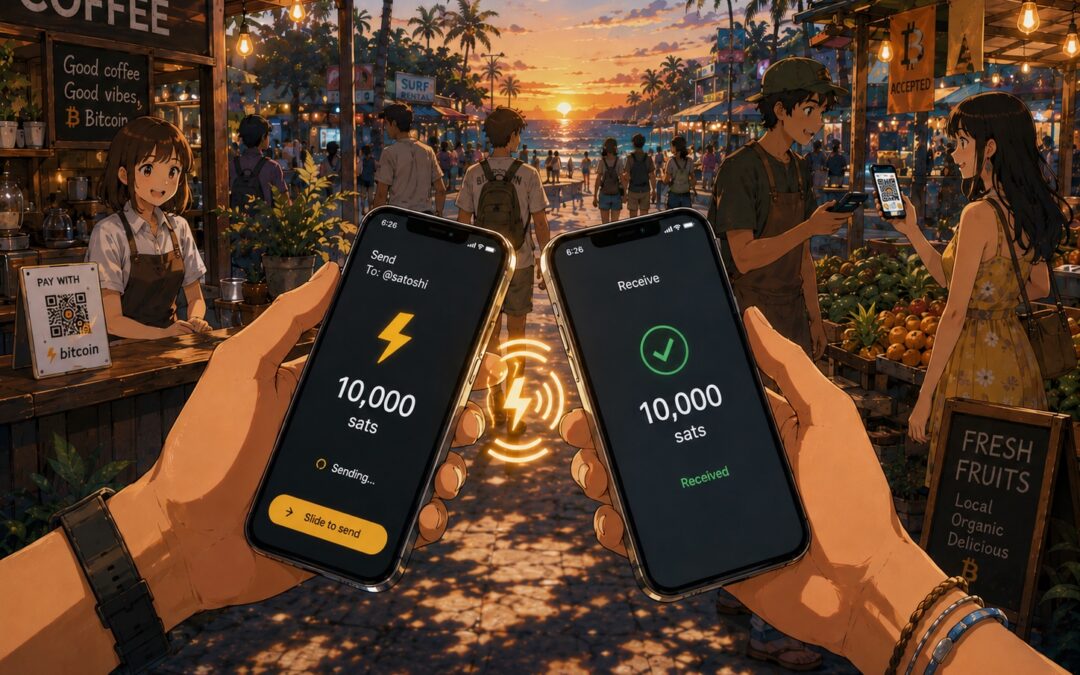
The Lightning Network has shown that Bitcoin can be used not only as a store of value, but also as a means of payment for everyday transactions...

What began as an initiative within the Bitcoin Beach community has now grown into one of the world’s best-known Lightning wallets....

Bitcoin is often referred to as the currency of the future, yet many people wonder: if it’s truly a usable form of payment, why don’t we use it to pay for our morning coffee or daily groceries? The answer lies in Bitcoin’s second layer, the Lightning Network. This technology enables Bitcoin to serve not only as a long-term store of value but also as a fast, cheap, and direct means of payment in everyday life. In this article, we’ll explain how the Lightning Network works, which wallets and apps make it easy to use, and how thousands of people around the world are already using it to make payments every day. Because the original spirit of Bitcoin isn’t just about preserving value—it’s also about enabling two people to exchange value directly with each other, without intermediaries.

Governments around the world are building up Bitcoin reserves, the largest asset managers are offering Bitcoin-based investment products, while millions of companies and individuals are becoming participants in the same decentralized network. What do they see in it that many still don’t? In this article, we explore this question while examining how Bitcoin has evolved from an experiment within a small tech community into one of the most remarkable phenomena in the global financial world.

Throughout history, the value of money has never been determined by its material composition alone, but rather by the shared trust and social agreement that made the exchange of value possible. Bitcoin fits into this history spanning thousands of years—in a new, digital form. For the first time in history, Bitcoin enables millions of people to operate a shared financial network without central control.

Bitcoin didn’t appear out of nowhere in 2008, but was the result of a long intellectual journey. And perhaps this is where the figure of Satoshi becomes more human: not a mystical genius, but someone who recognized what others had previously seen only in isolation. His genius may not have been a new invention, but rather a realization. Satoshi did not build the financial system of the future alone; rather, he recognized how the work of others fit together.

One of the most important figures in this story is a computer scientist and cryptographer of Hungarian descent: Nick Szabó. The history of Bitcoin is often centered around a single name: Satoshi Nakamoto. Although he did not write the Bitcoin white paper, nor did he launch the Bitcoin network, many view him as the person who was already thinking about the same problems years before Satoshi.

If you set aside the price charts, the market noise, and the daily news, and return to the original spirit of Bitcoin as outlined in the 2008 white paper, then Bitcoin is truly a technological and social revolution that renders traditional monetary intermediaries obsolete.

Hungary's current financial situation is characterized by both visible debt and a hidden, slow devaluation caused by steadily rising inflation. If we do not understand how both mechanisms work—the interplay between the state, the banking system, and the deterioration of money—we can easily fall into a trap as "economic slaves" whose every move leads to credit, debt, and a future of devaluation. Bitcoin, on the other hand, is an excellent digital store of value and a stable asset that protects against constantly inflating FIAT money.
Over the past ten years, people have lost sight of the essence of cryptocurrencies. Bitcoin was not created as an investment tool, but as a means of financial self-determination. It is a tool that allows us to finally escape the endless pyramid of governments, banks, and tax systems. Yet today, most people treat it like a casino chip.

The greatest transfer of wealth in history is taking place before our very eyes – and most people don't even notice. While most of the world still doesn't understand what's wrong with the current bureaucratic, fiat-based monetary system, a few "crazy" early adopters discovered the true value of internet money years ago.