
In recent years, cryptocurrencies and blockchains have become increasingly popular with the promise of decentralization. However, if we look at the technical background, it quickly becomes clear that most mainstream chains are not actually fully decentralized, but heavily dependent on traditional, centralized Web 2 providers—which is more of a "Web 2.5" transition than true Web3.
Author
Dominik
From the Author
ICP – Internet Computer Protocol
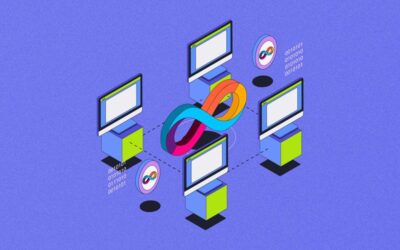
ICP is the future of the internet, the only blockchain that is actually Web3. To use the other blockchains internet requires a central infrastructure. ICP stands out because it can host decentralised applications (dapps) entirely on-chain - frontend, backend, database, AI model, all in one.
Bitcoin is the civilised monetary revolution
People are realising that simply owning Bitcoin makes you empowered and independent of banks, institutions and states. Self-sufficient communities can emerge, exchanging value, services and goods through decentralised systems. Peer-to-Peer. No third party is needed.
Genius Act: stablecoins become legal tender
History will remember 18 July as the day the banking system lost its monopoly on money. The signing of the Genius Act marked a turning point in cryptography and the construction of the modern economy.
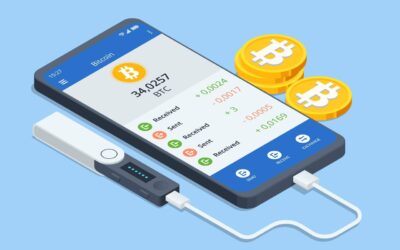
Be your own bank: Reliable self-storage Bitcoin wallets
As Bitcoin becomes an increasingly popular means of storing wealth, the need for reliable, secure and self-storage solutions is growing. Instead of centralised providers (e.g. exchanges), more and more people are opting for non-custodial Bitcoin wallets, where private keys remain in the user's possession.
The crypto industry is currently in the era of the dial-up internet
The current state of the crypto industry is like joining the internet in 1998. Those who are present now are part of an "early party" that could grow to be huge later.
The true nature of Blockchain
The general explanation of blockchain is that it seems to be an all-encompassing technology, but it is actually more of an umbrella term for various digital record-keeping systems. Some myths make it sound magical, but the truth is a bit more convoluted. Let's break it down more simply!
The decentralised economy: breaking away from traditional systems
The decentralised economy is no longer a distant vision - it is here, transforming the way we trade, govern and build without dependence on traditional systems.
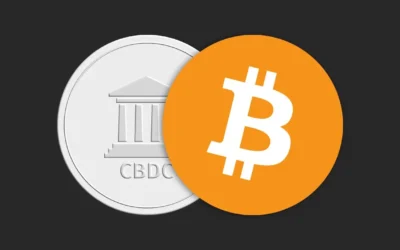
Bitcoin vs. CBDCs: the difference is control
In an authoritarian system, CBDCs can be used as a weapon against dissenters, further undermining people's economic sovereignty and contradicting the purpose of most digital currencies. Bitcoin, however, offers a decentralised alternative - one where individuals retain control over their own wealth.