

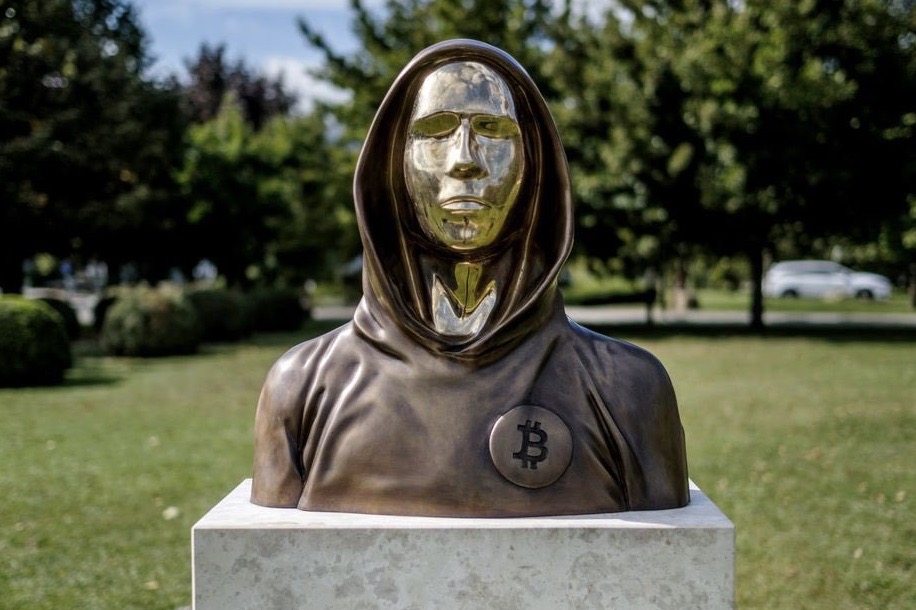
In fact, Satoshi predicted the quantum computing threat 14 years ago. Bitcoin developers are building solutions to problems that don't even exist yet.
While critics cry "cryptoapocalypse", the Bitcoin developers are already quietly building quantum resistance.
Here is some important information that many people do not know:
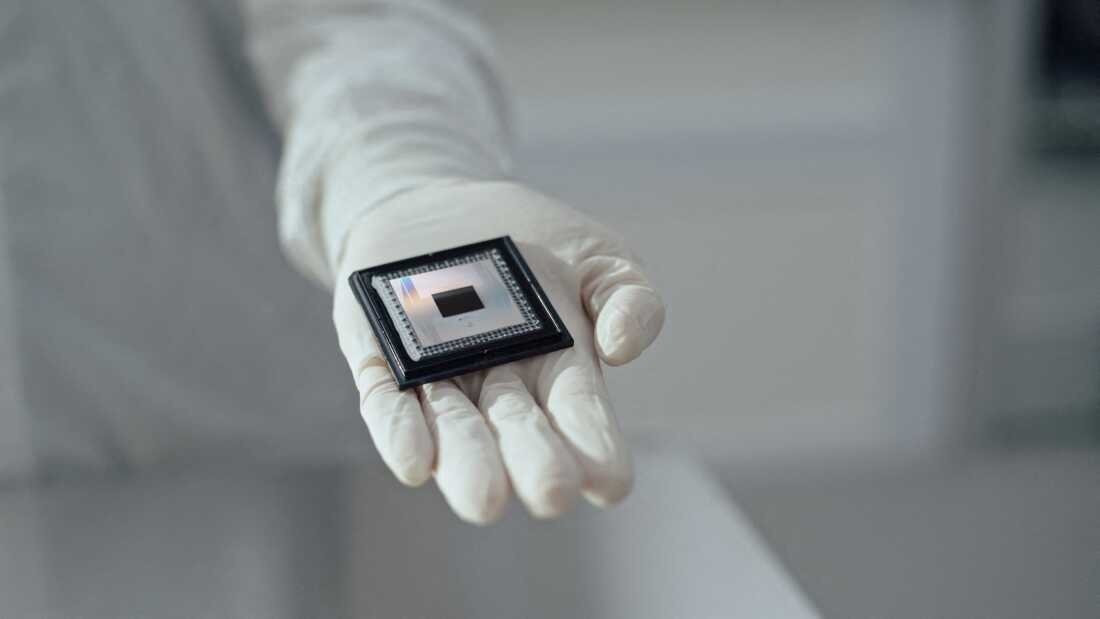
Google has just dropped a quantum computer bombshell that has the tech bros losing their minds.
In 5 minutes, their new Willow chip has solved a calculation that would take our most powerful supercomputers 10 septillion (10^25) years to do.

The age of the universe is 13.8 billion years.
Will it take time for our best supercomputer to solve this calculation? 10,000,000,000,000,000,000,000,000,000,000 years.
How long for Willow? 5 minutes. 😅
Cryptosceptics, of course, immediately raised the alarm:
- "Bitcoin encryption is dead"
- "Incoming quantum apocalypse"
- "Sell everything"
Don't get on the panic train, because the essential facts are not being told...
Bitcoin will not die. Not even close.

First, let's look at what Google has actually built with Willow's quantum computing chip:
- 105 qubit processor
- Revolutionary bug fix
- Unprecedented stability
- Solved a very specific problem
Effective? Absolutely. Bitcoin killer? Far from it.
Here's why:
In the future, it is estimated that quantum computers with 13 million + qubits could theoretically:
- ECDSA encryption is being cracked
- Decrypt private keys
- They fit any wallet
- Moving wallets without permission
- The key word? Theoretically.
Let's look at the reality:
Willow has 105 qubits.
It takes more than 13 000 000 million qubits to crack Bitcoin.
Bridging a gap? 23 800-fold improvement.
Even with Moore's Law, we are still decades away.
But the Bitcoin community is not waiting to find out...
In fact, Satoshi Nakamoto saw this 13 years ago.
In a 2010 forum post, the creator of Bitcoin discussed quantum computing:
SHA-256 is very strong... It can last for decades unless there is a breakthrough attack.
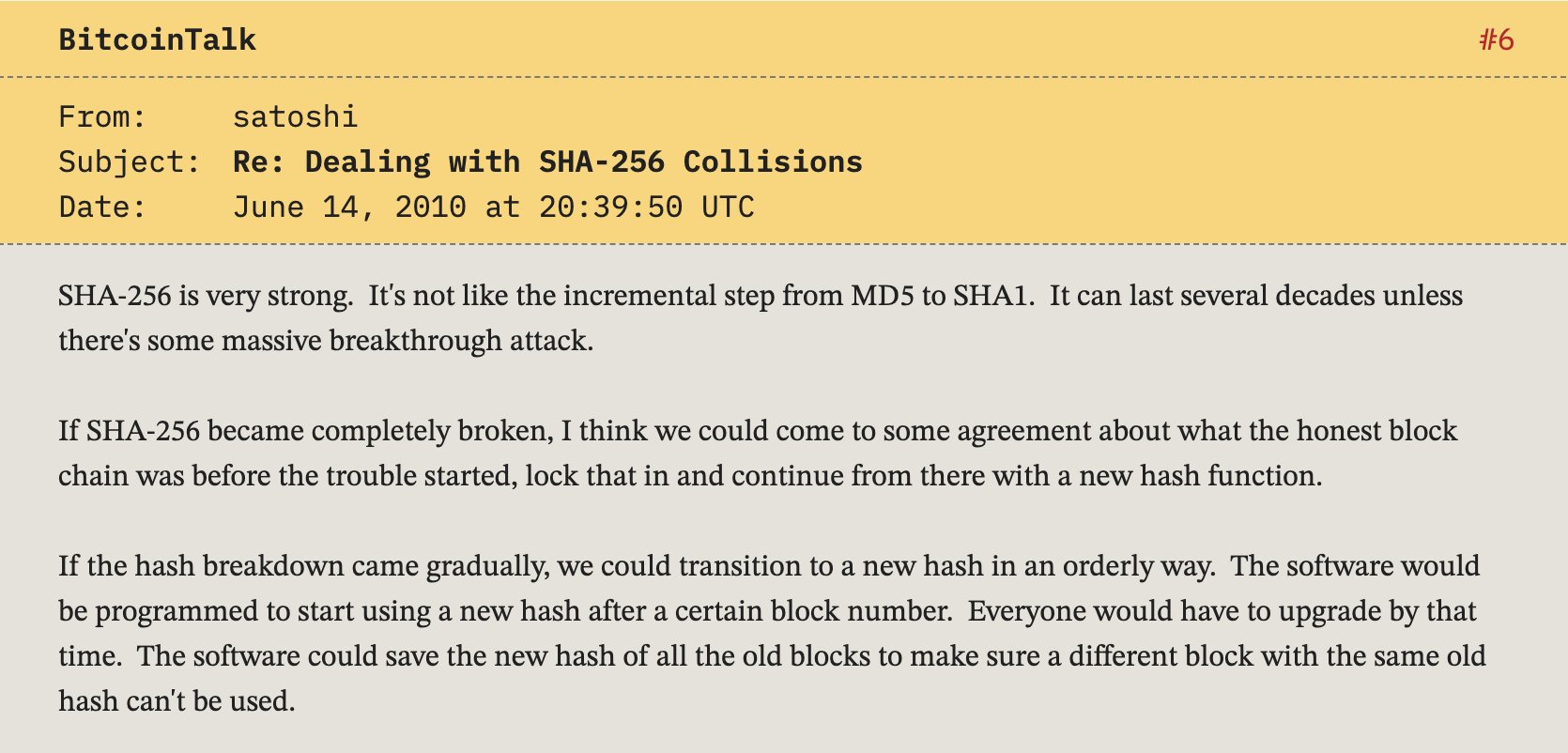
Satoshi outlined a full contingency plan for the transition to the new cryptography, if necessary.
Of course, Bitcoin has a proven track record of dealing with threats in the past:
2017: SegWit solved scalability + transactional malleability
2018: the Lightning Network enabled instant, almost free transactions
2021: Taproot brings enhanced data protection + smart contracts
Each update has made BTC stronger.
What about the quantum resistance plans?
They are already on the move. This includes updates such as:
- SPHINCS + signature implementation
- Grid-based cryptographic integration
- Hash-based signature schemes
- Zero knowledge layers
- Multi-layer validation systems
- Quantifiable address formats
- Timed security features
- Emergency migration protocols
These are not just concepts - they are currently being tested on the Bitcoin test network.
Think of it as improving the defences of a castle:
Adds new locks (Signature updates):
- Old locks are replaced with quantum-proof locks.
- It makes it impossible to copy keys, even for quantum computers.
- Adds more layers of security
...and stronger walls (network protection):
- Confirm all entry points
- If necessary, build escape routes
- Sets up emergency protection systems
The best part?
These upgrades work like installing better doors, meaning you don't have to demolish the castle.
Smooth transitions. No disruption. The old keys still work. Everyone stays safe.
While critics panic over the theoretical threats...

Bitcoin developers are building solutions to problems that don't even exist yet.
By the time quantum computers are powerful enough to threaten Bitcoin, the network will be beyond their reach.
The question is not whether Bitcoin will become resistant to quantum computers, but when.
The clock is not ticking against Bitcoin, but against quantum computers. Bitcoin's decade of successful development speaks for itself.
Bitcoin is more secure than your bank account, quantum computers or not. In fact, by the time quantum computers reach 13 million qubits, your bank account will be more vulnerable than your BTC.