
For Fédra Csicsely, health is not a trend, but a mission. Her family background, personal encounter with sports, and commitment to mental health have shaped her professional path, where dietetics, training, and health promotion form an interdependent system. In her work, she emphasizes simplicity, gradualness, and sustainability—because she believes that lifestyle change is not about extremes, but about conscious, small steps.
Please tell us how you became interested in healthy living, dietetics, and training.

What inspired you to pursue dietetics, training, and health promotion all at once?
My goal is to provide those who turn to me with the most comprehensive professional help and support possible in order to ensure successful and effective cooperation. Dietetics, exercise, and health promotion, including mental health promotion, are closely related and build on each other. I believe that supporting mental health is the foundation of everything. It is necessary for cooperation to be truly successful, as changing nutritional and exercise habits involves many difficulties and challenges, which require mental support in addition to professional support.

What did your professional path look like, from your university studies to your practical work?
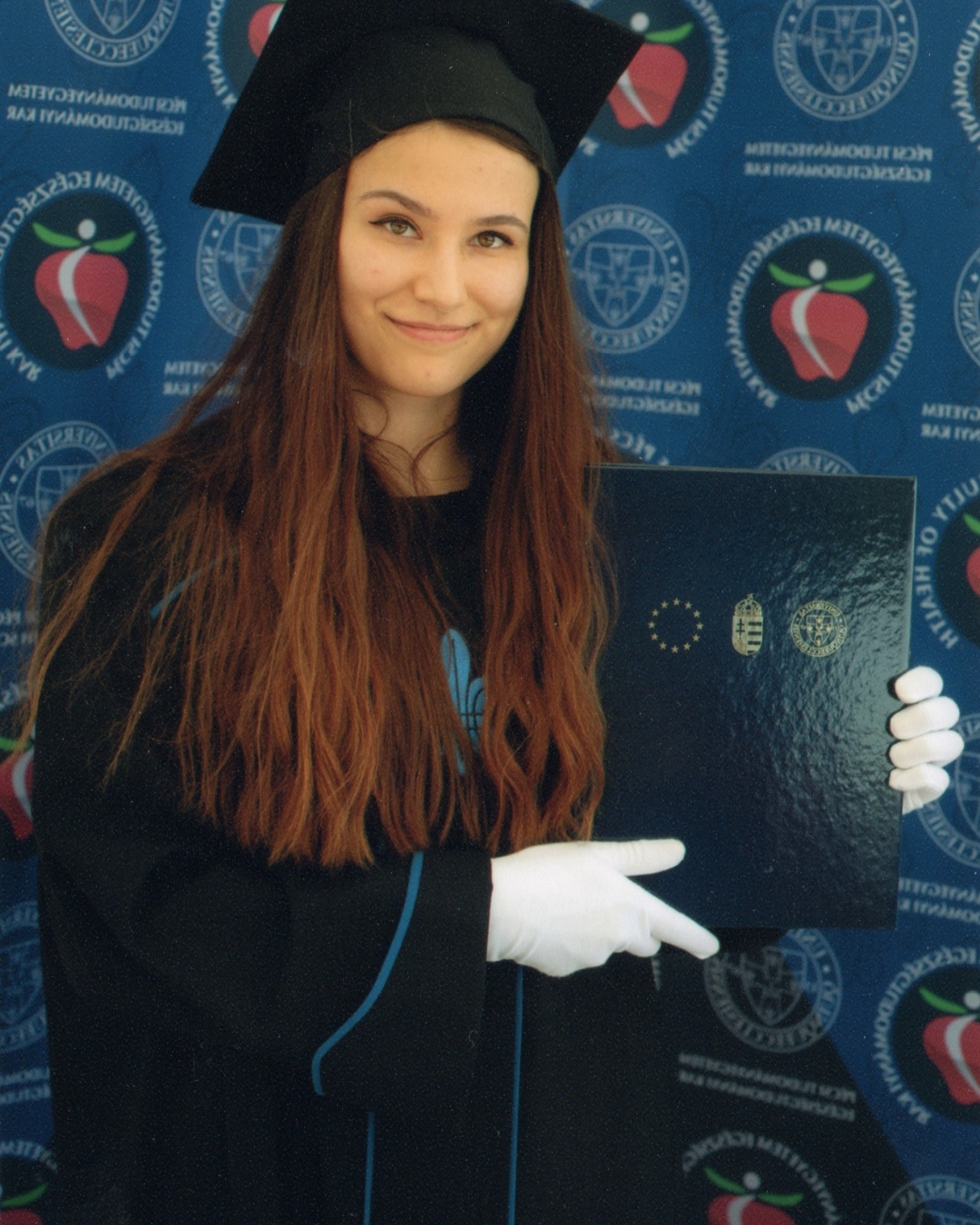
After completing my training as a coach, I went to university to study sports and recreation management, specializing in health promotion. During this training, I did not work as a coach, but only helped friends and family members to gain practical experience.
At university, I learned a lot about training theory, training load structure, motor skill development, and health promotion tools. In addition, I regularly sought to expand my knowledge of training through self-study.
As the training drew to a close, it became increasingly clear to me that recreational sports are important not only for maintaining physical health, but also for maintaining mental and spiritual health. Of course, I was aware before that sport not only affects our physical health, but how much of an impact it has on other dimensions of our health only became really clear later on. Inspired by this realization, I wrote my thesis on the effects of recreational sports on mental health, which won me the dean's award and was published in the university newspaper.

What are the most common misconceptions about diet or exercise that you encounter on a daily basis?
That it's complicated. People typically overcomplicate the whole process of changing their lifestyle. Overcomplicating things and getting bogged down in unnecessary details makes the whole thing difficult, prevents success, and causes people to give up very quickly.
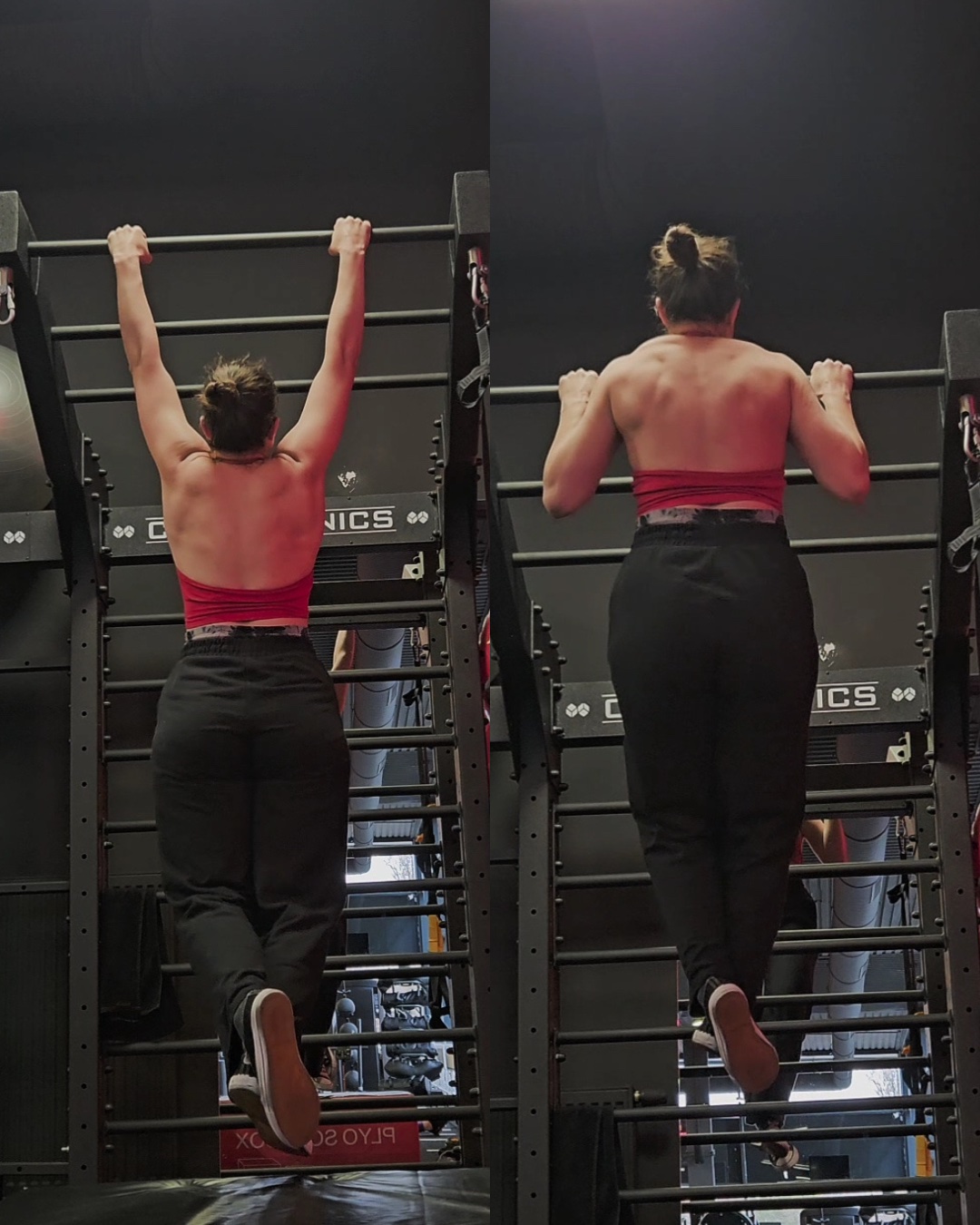
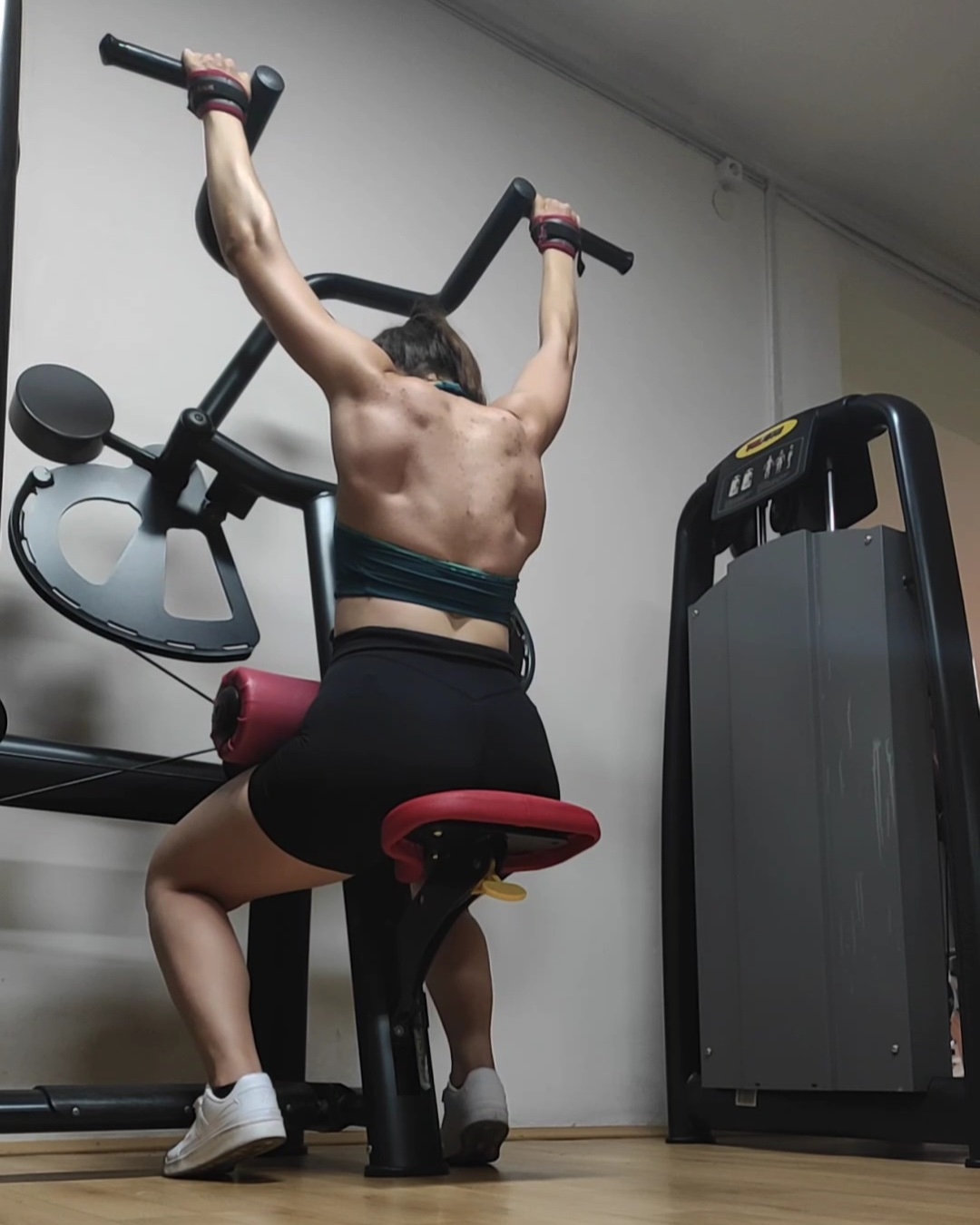
When it comes to weight training, many people still fear that they will end up with "pumped-up" muscles, and women worry that they will look masculine, but this is not the case at all. In fact, it can help you achieve a very shapely, feminine physique, but I think it's important to emphasize that although muscle development has an aesthetic purpose, the primary reason for developing muscle is to maintain long-term health. I could also say that the right amount of muscle mass actually means vitality.
What types of clients do you work with most often? Are there any common goals or challenges that they come to you with?
Most often, women between the ages of 20 and 40 seek me out for joint work, but of course I also work with men. The most common goals are weight loss, improving body composition, and muscle building. There is still a lot of misinformation circulating about how to achieve these goals, so I find that many people need professional confirmation of what is good information, and they also want to learn how to filter out the relevant information from the vast amount available.
In addition to professional reinforcement, I would also emphasize professional support, because I have often found that many people need to be accountable to someone every week, so they are much more likely to stick to their goals despite difficulties and challenges.
How do you build a working relationship with a new client—what steps, assessments, and goals do you focus on?
I offer several types of cooperation, but what is closest to my heart is online and nutrition coaching. Coaching services are long-term collaborations, and this longer period of time allows me to really get to know the client and help them build the best system for them so that they can truly achieve their goals with my support.
Every collaboration is preceded by a complete medical history, which, in addition to basic information, also includes the definition of short- and long-term goals and the identification of the biggest challenges, so that I know what to focus on most during our work together.
How do you think online coaching differs from face-to-face consultation, and how do you use this opportunity in your work?
I feel that online coaching gives me more scope to help people, as it allows me to reach more people and also involves continuous contact. This continuous contact means that people can contact me at any time of the day with any questions or requests they may have. Based on the feedback I have received, I can say that for many people, just knowing that they can turn to me at any time is a great help. Countless times, people have written to me during training to ask if they are using a particular machine correctly, and I have been able to help them immediately. But there have also been times when someone was going through a difficult moment and wrote to me to share their feelings, which helped them to continue working despite the difficulties.
So overall, I really feel that the online space provides more opportunities to help people and thus contributes to people being more likely to achieve their goals.
What methods do you use to personalize diets? How much do you take into account lifestyle, stress, sleep, or exercise?
Not only the diet, but all forms of cooperation must always be tailored to the individual. I always take into account the individual's lifestyle, habits, work, eating habits, sleep patterns, and stress management techniques. This is all very important information, as it is necessary to apply methods that the individual can incorporate into their own life, if not immediately, then gradually.
How do you approach sharing professional content on social media—do you strive for posts that are more educational or more motivational?
I really enjoy learning and sharing my knowledge with others, which is why I started being active on social media. I mostly focus on creating educational content, but of course, I also post motivational content. My goal is to provide value and help with my content, so that after someone watches one of my videos or reads one of my posts, they get something useful that can help them in their own development.
What kind of feedback do you get most often from your audience? What are the topics that resonate most with them?
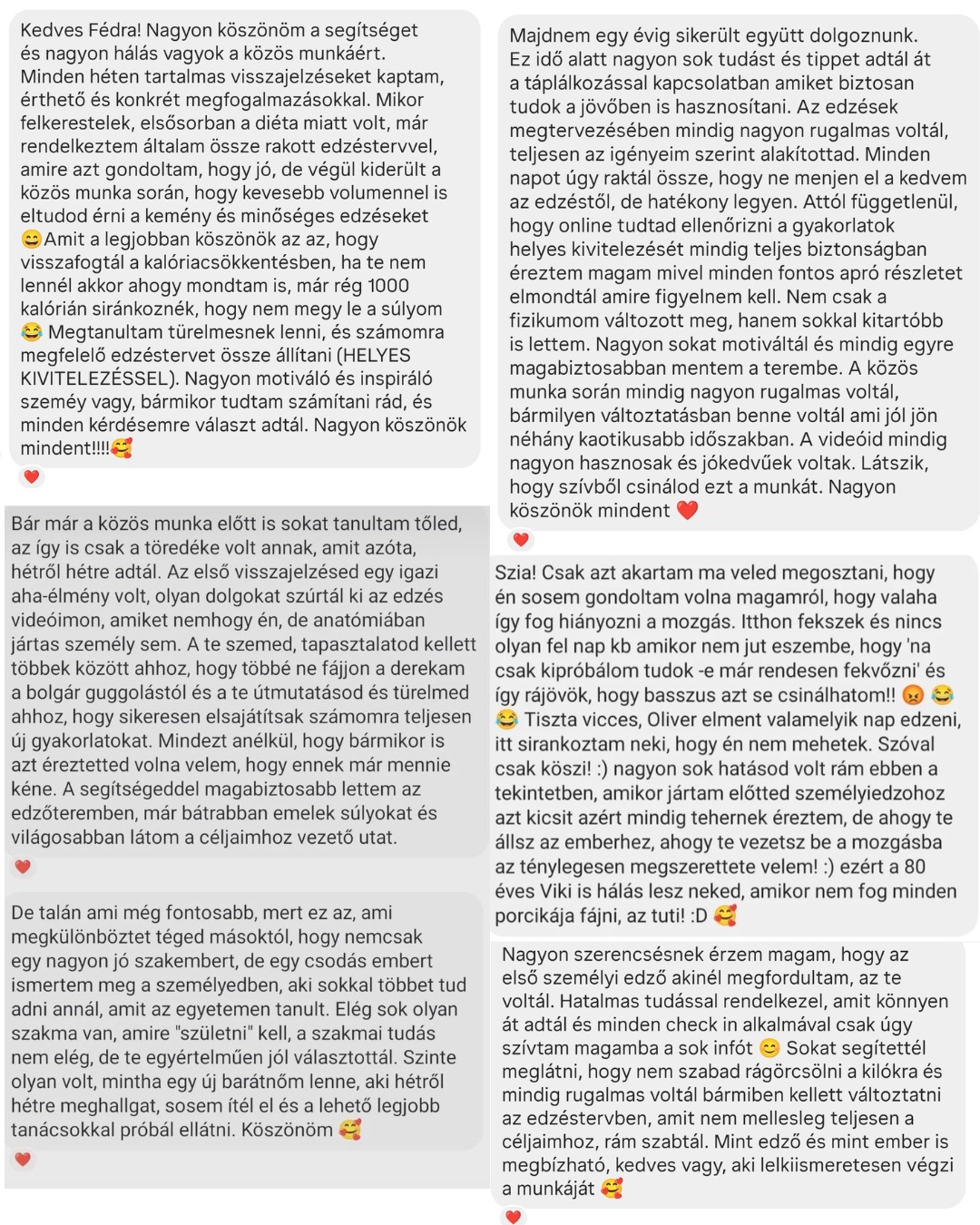

In my experience, topics related to mental health resonate most with the audience, presumably because, unfortunately, many people can identify with these difficult feelings.
As a health promotion specialist, it is very important for me to communicate about the importance of mental health, as well as about my own struggles, because I believe that by sharing my experiences, feelings, and insights, I can provide help and support to those affected.
What role does mental health play in your diet and exercise programs?
Definitely a key role. Mental health is the foundation of everything, and if it is "damaged," it will affect the individual's entire lifestyle. In addition to providing assistance with nutrition and exercise, supporting mental health is therefore also crucial. Of course, healthy eating and exercise have a health-promoting effect in themselves, which includes mental health, but it is also worth paying special attention to mental health. I talk a lot about stress management and different stress management methods, and I try to provide support so that everyone can find the stress management method or methods that work best for them, because we cannot eliminate stress from our lives, so we must learn to manage it properly.
This is particularly important because even if we have the most perfect diet and exercise optimally, if we cannot manage stress properly, it will have a negative impact on our overall quality of life. It negatively affects sleep, digestion, regeneration, everything.
It is therefore crucial to learn appropriate stress management techniques, which also help us maintain our mental health.
In your opinion, what are the biggest obstacles to developing a healthy lifestyle that can be maintained in the long term?
Many people think that a healthy lifestyle is complicated, expensive, and full of sacrifices, but this is not the case at all. The secret to a healthy lifestyle that can be maintained in the long term is simplicity and avoiding extremes. Changing your lifestyle can be difficult at first, which is why it is important to take small steps when changing your habits, avoiding extremes and drastic measures.
What message would you give to those who are still "skeptical" about whether it is worth taking lifestyle changes seriously?
It is often said that when you are healthy, you have many problems, but when you become ill, you only have one problem left. Health is truly the greatest treasure in life, and we must take care of it if we want to live as long as possible with a good quality of life.

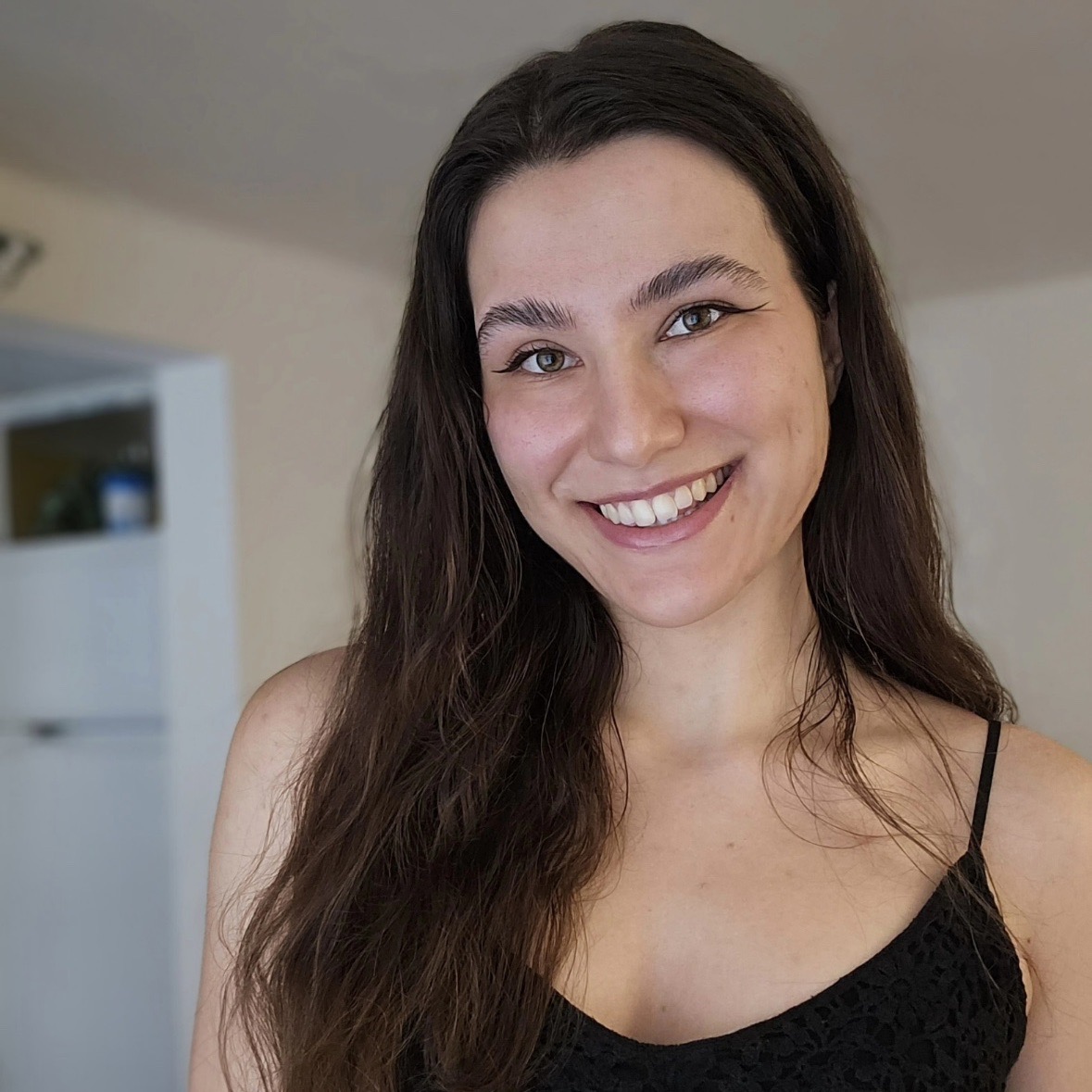
Fédra Csicsely
Dietitian & Trainer